What a software landing page has to do
A software landing page is rarely the place the sale closes. It is where a buyer decides whether your product is worth thirty minutes of their time, or worth entering a card for a trial. That means the page has three jobs: show the product doing its work, answer the questions that stop a buyer booking, and ask for one clear next step.
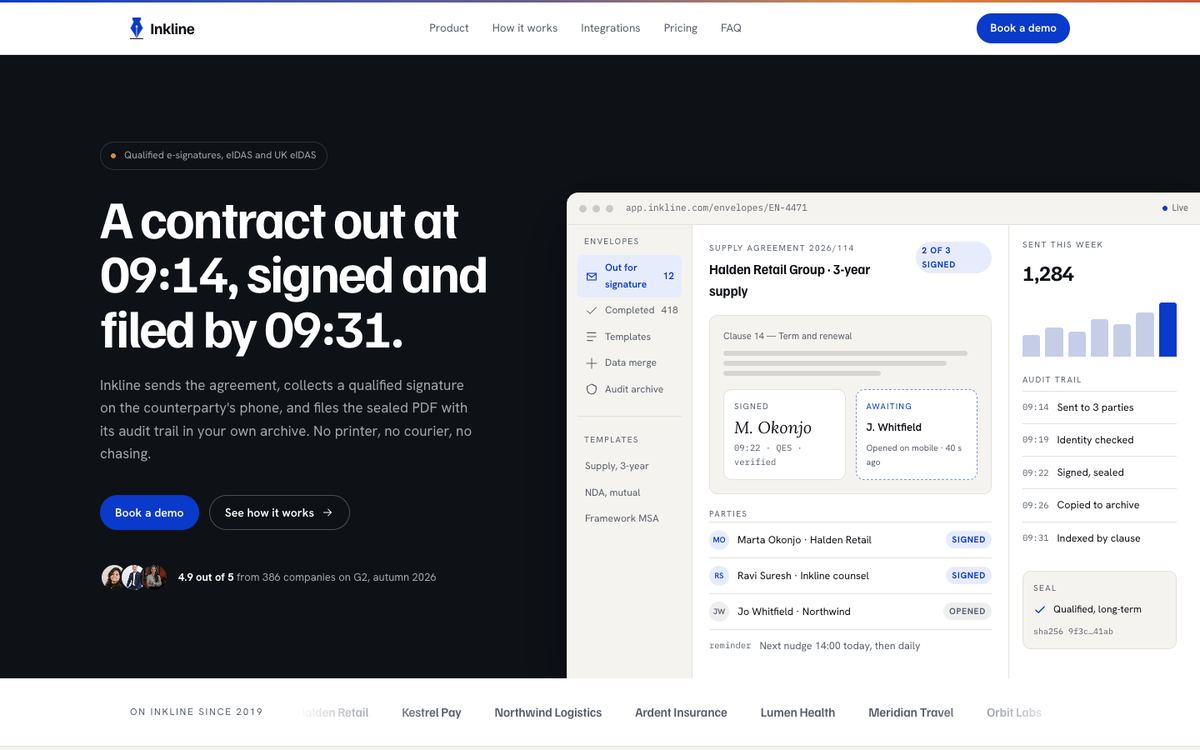
The strongest software pages are specific. “Automate your workflows” describes every product in the category. “A contract out at 09:14, signed and filed by 09:31” describes one. Every template in this collection is written in that spirit, with sample copy you can use as a pattern for your own claims.
The sections that earn a demo or a trial
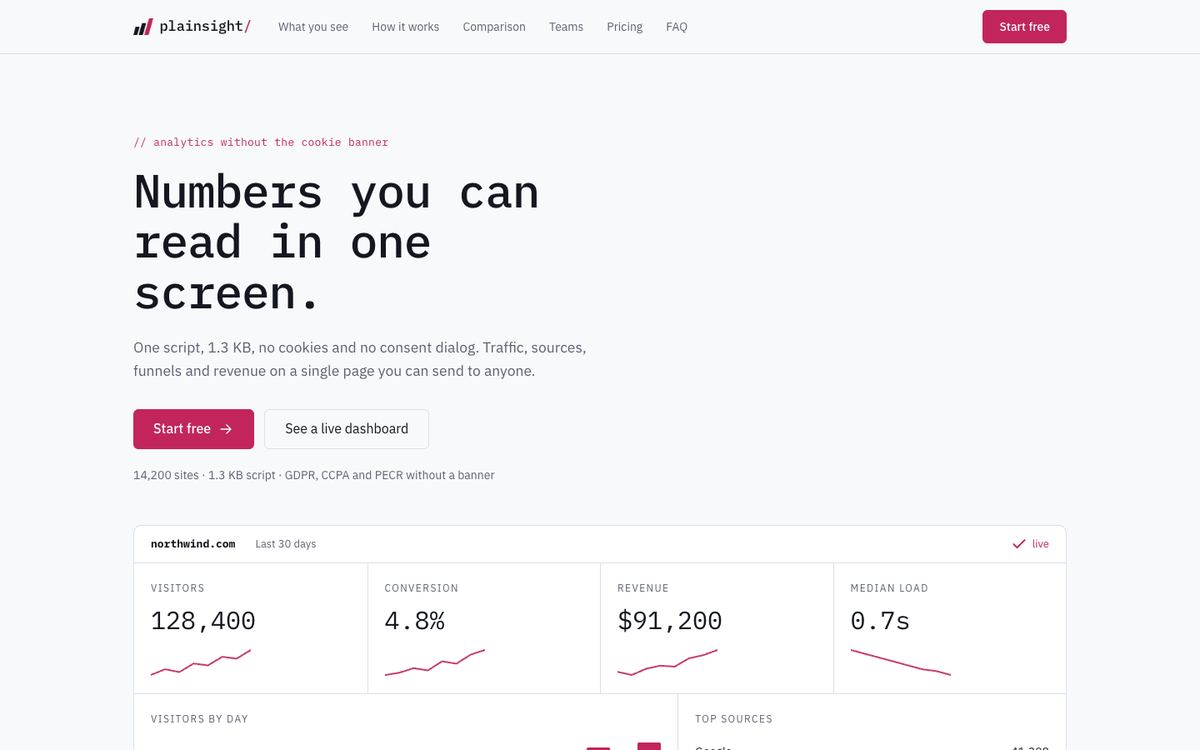
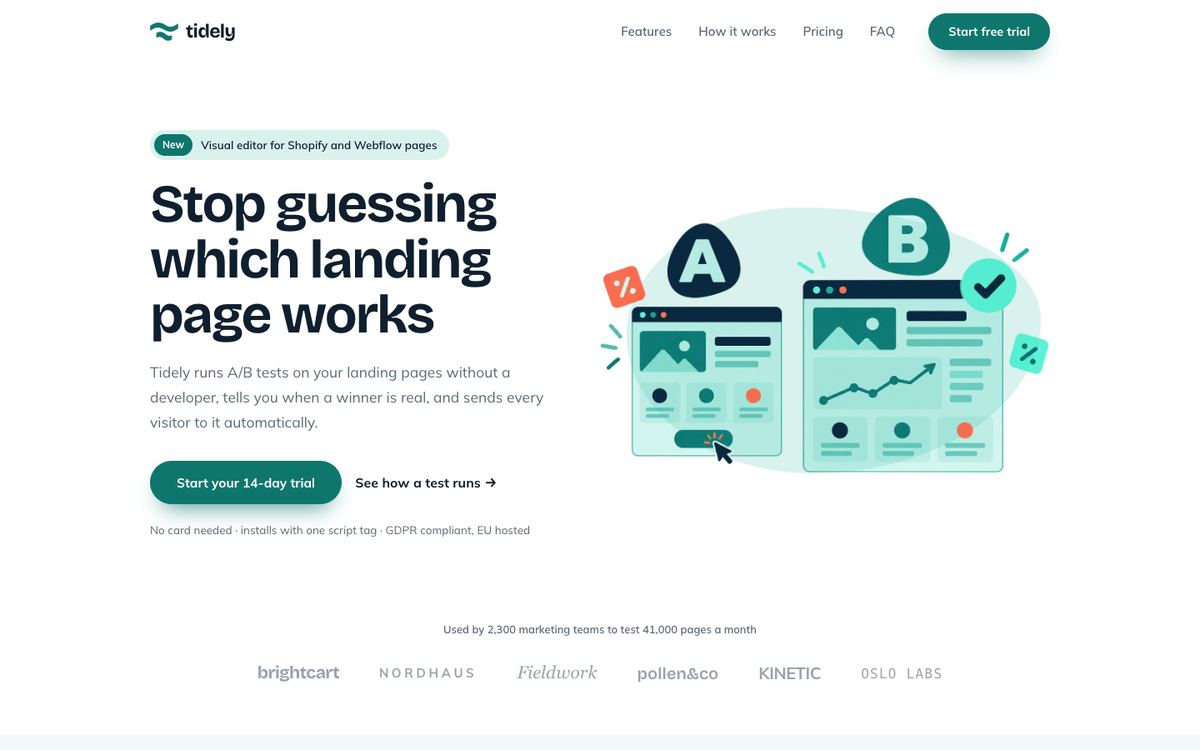
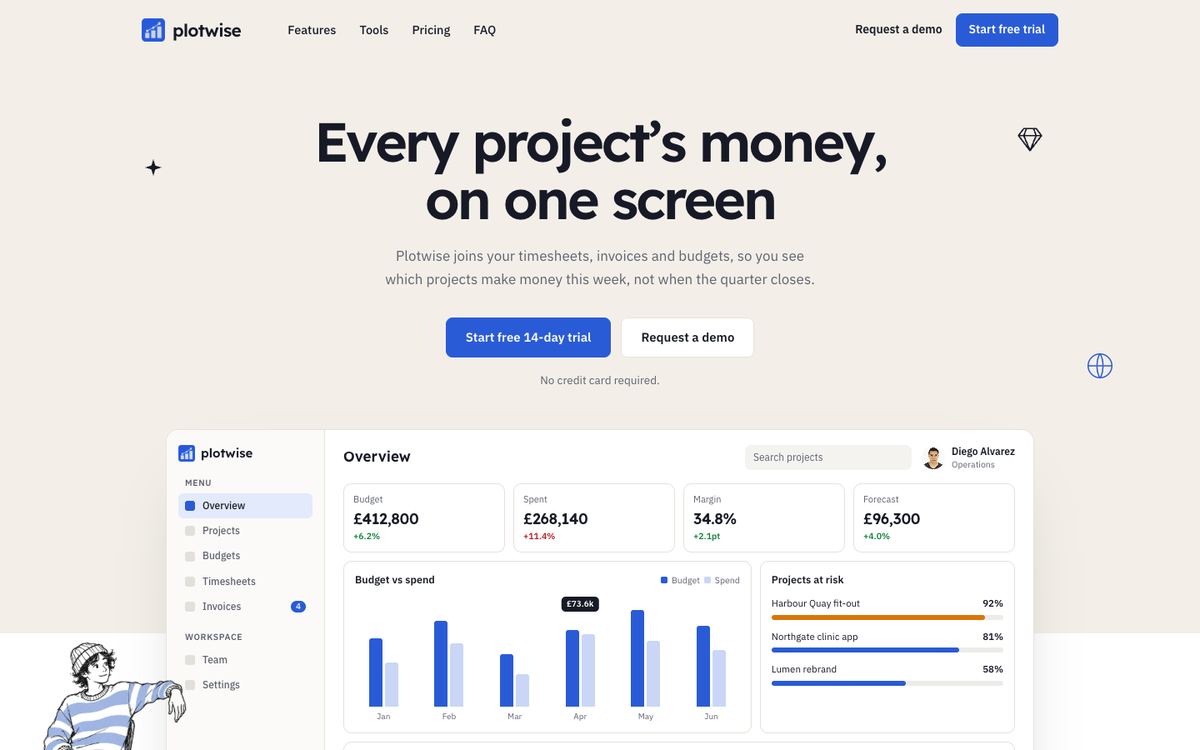
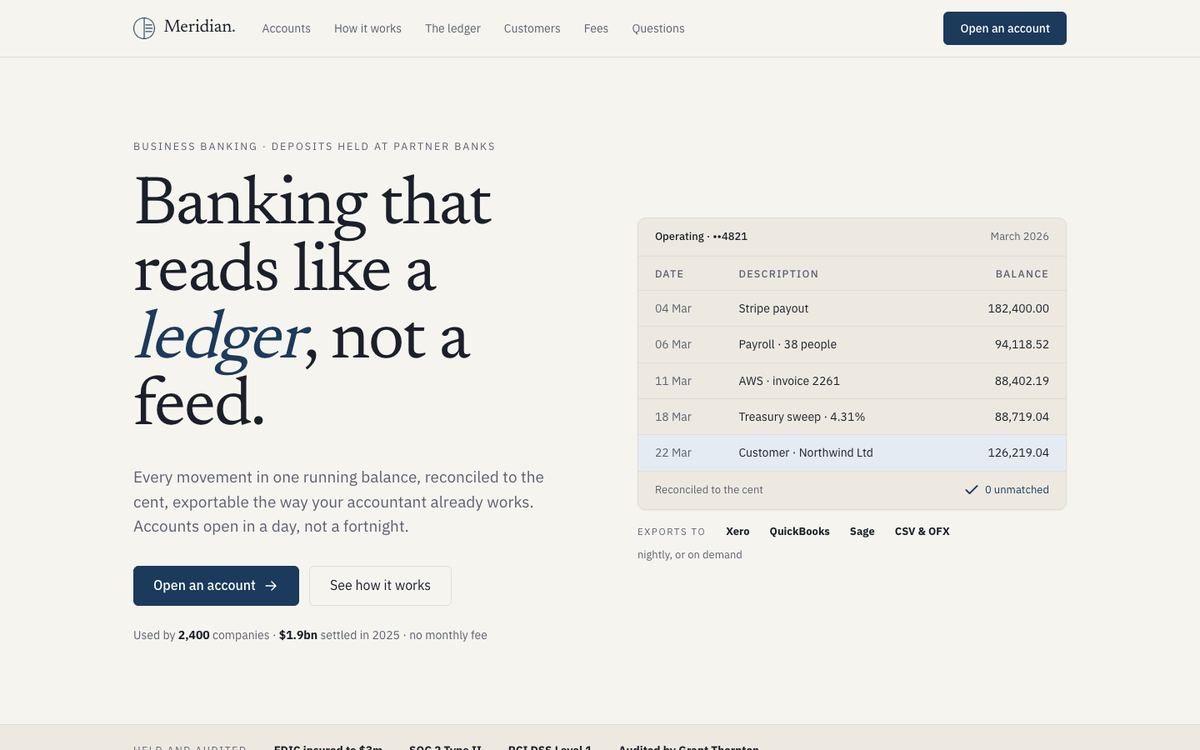
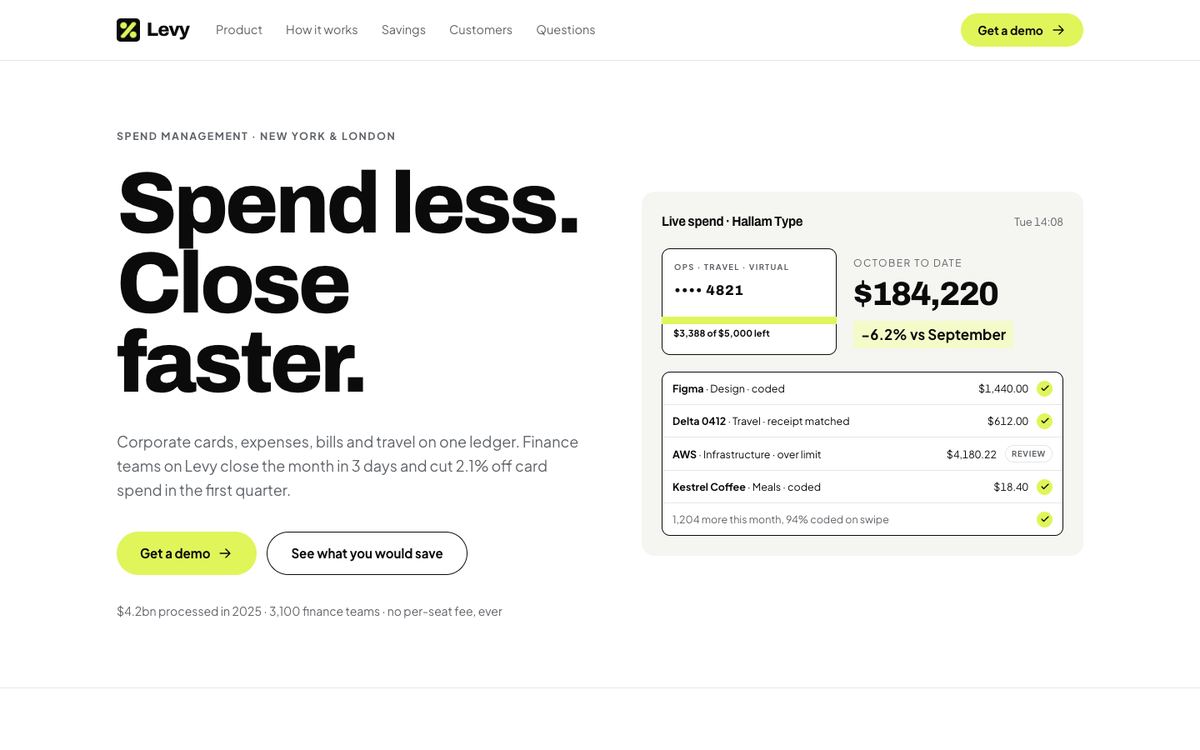
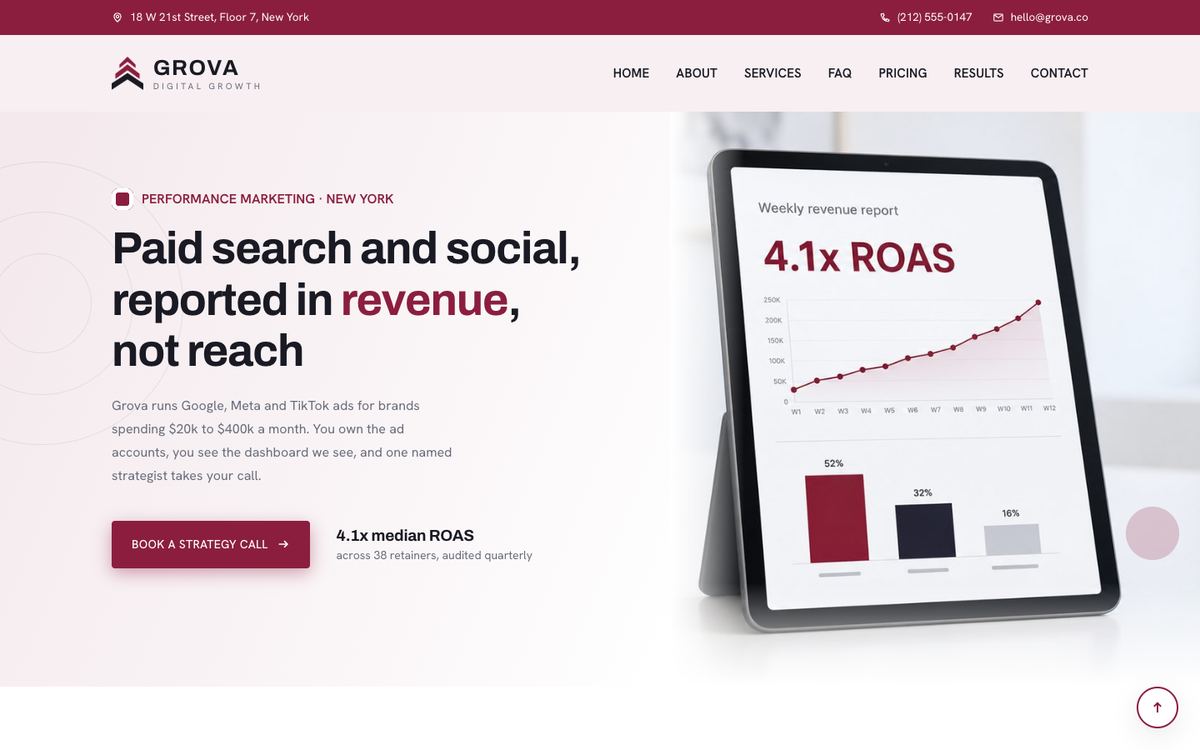
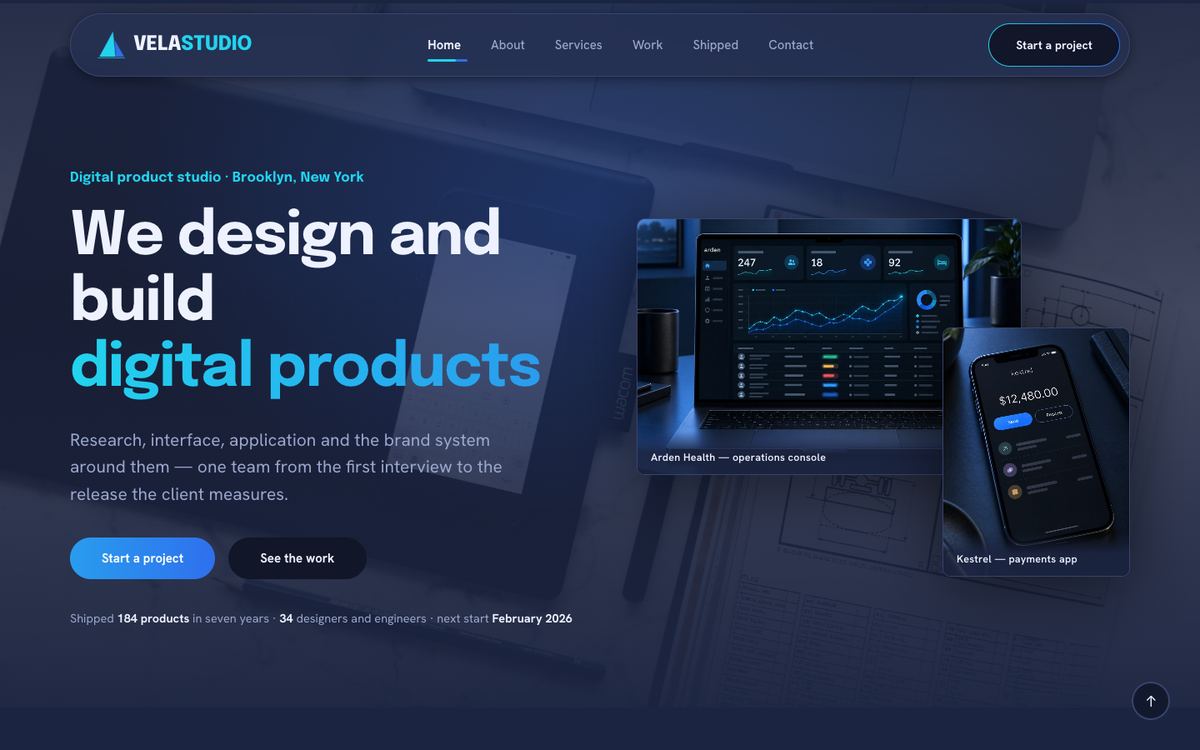
A hero with the product in it. Buyers want to see an interface, a transcript or a chart before they read a paragraph. Templates such as SaaS Conversion and Project Finance Dashboard put a drawn product surface right under the headline.
What it does, in concrete terms. A bento grid or numbered rows of capabilities, each with one measurable detail. Avoid listing twenty features; the four or five that matter to your buyer are enough.
How it fits. Integrations, setup time and what is not required. A line such as “live in a week, without a migration project” removes more resistance than any feature.
Proof. Customer quotes with names and job titles, a numbers band with dated figures, and ideally one result that connects to money or time.
Pricing. Even if you sell on a demo, say what you charge per. Seats, events, conversations or connected systems each tell a buyer something about fit.
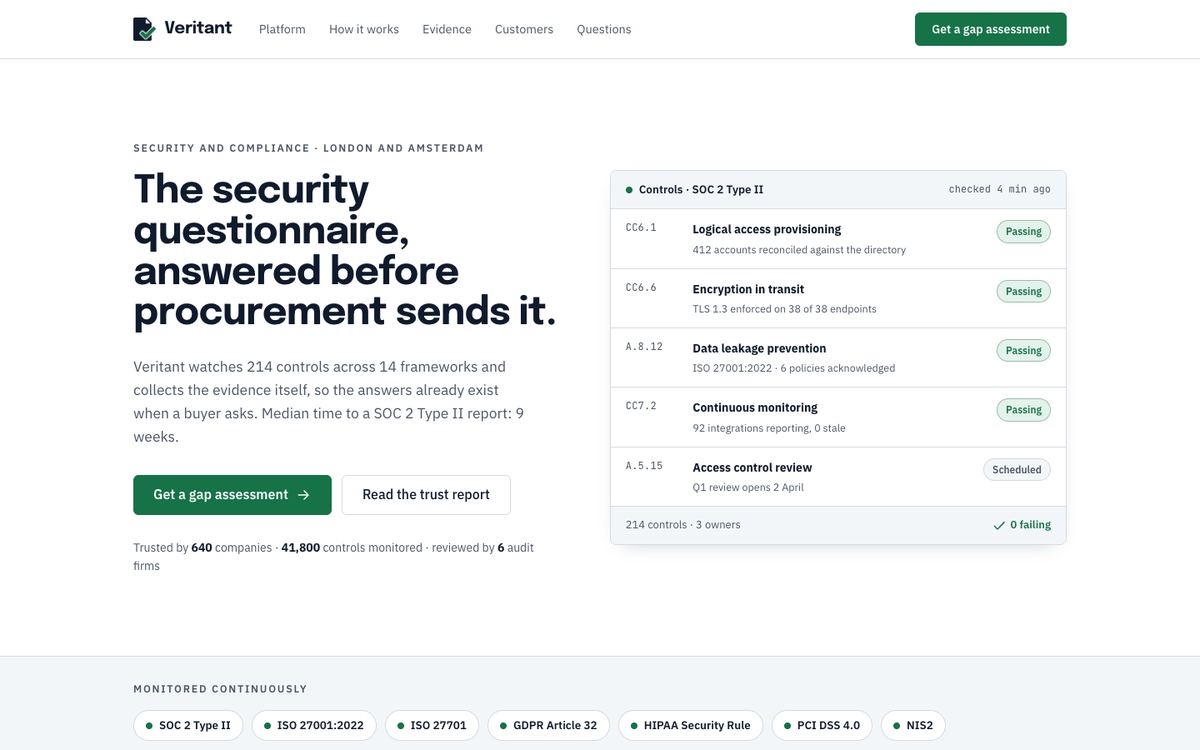
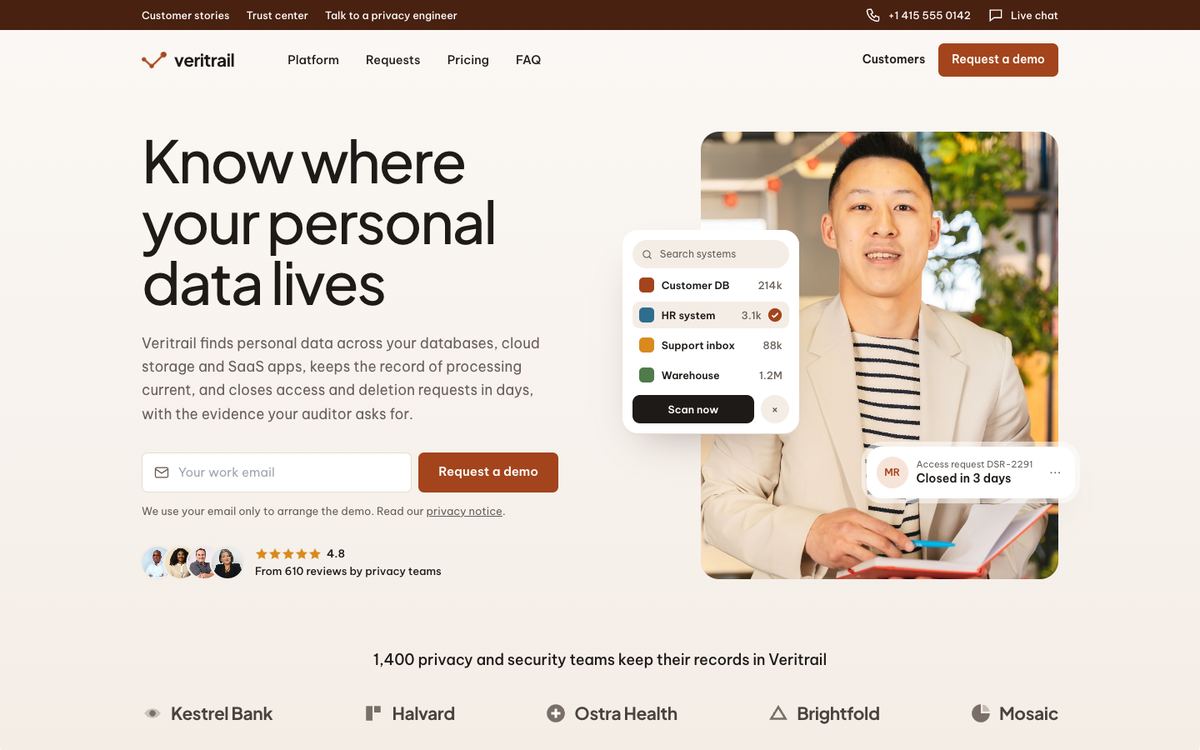
Questions from the reviewer. Security, data handling, contract length and what happens when things go wrong. Compliance Trust Page and Data Privacy Platform give these their own sections because their buyers read them first.
Choosing a template for your product
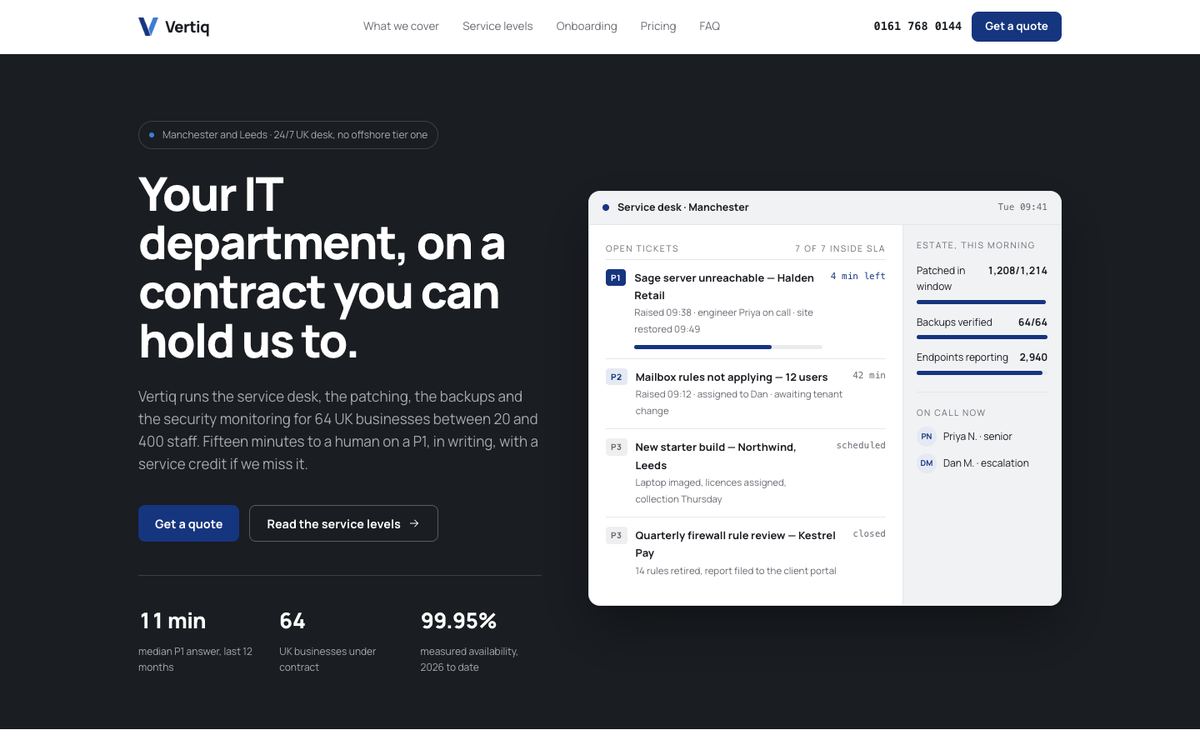
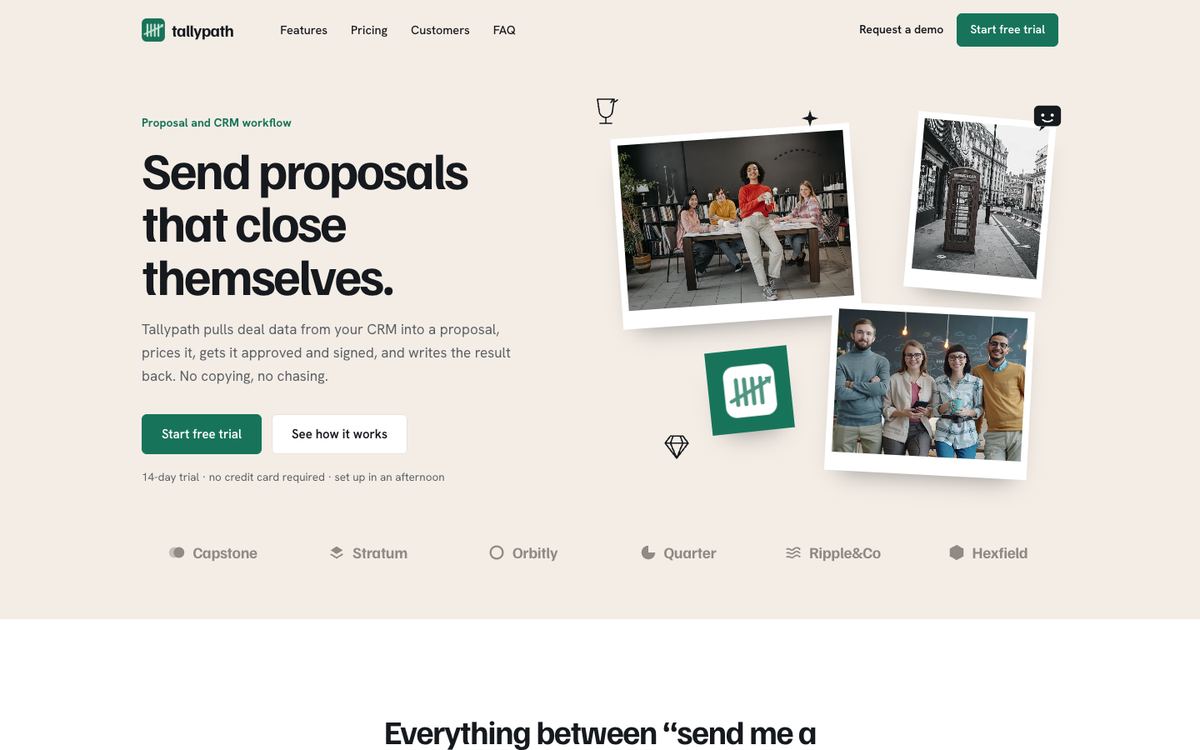
B2B software sold on a demo. SaaS Conversion is the general-purpose choice. Warm B2B Workflow does the same job with a friendlier, handmade feel, and IT Solutions suits managed services with SLAs.
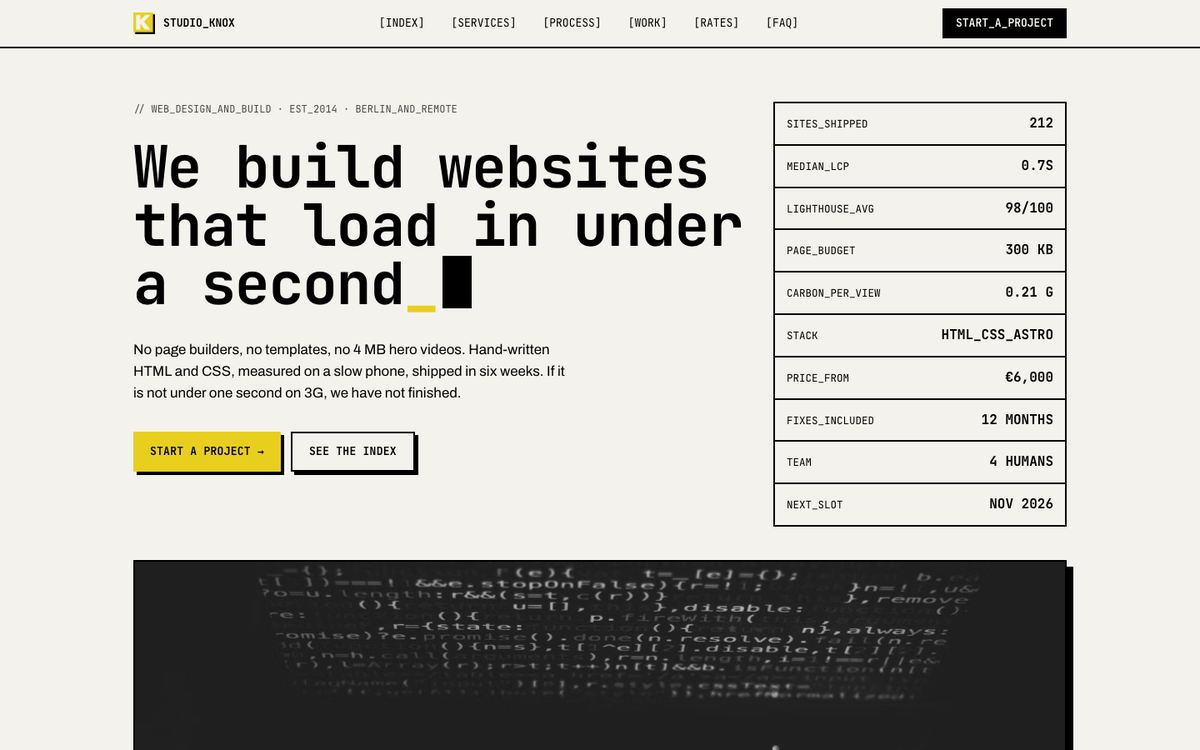
Developer and technical tools. Developer Tool is dark and quiet, Data Panel leads with charts, and Raw Monospace is blunt and brutalist for indie products.
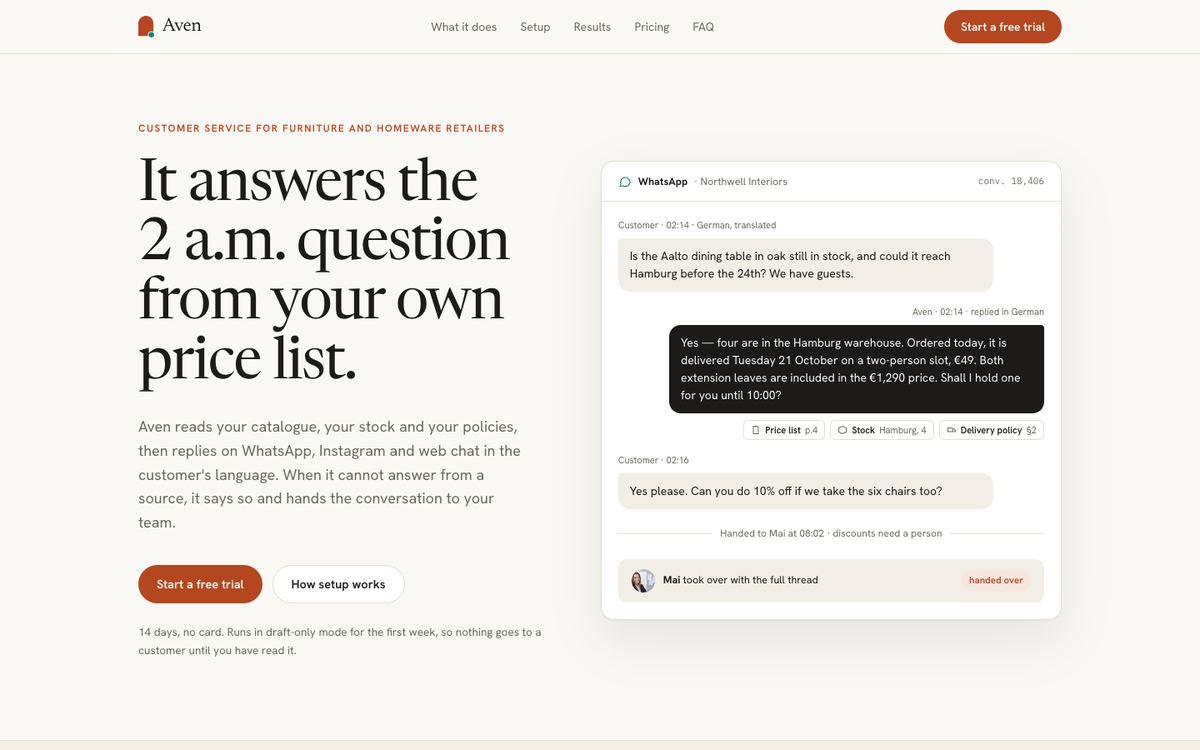
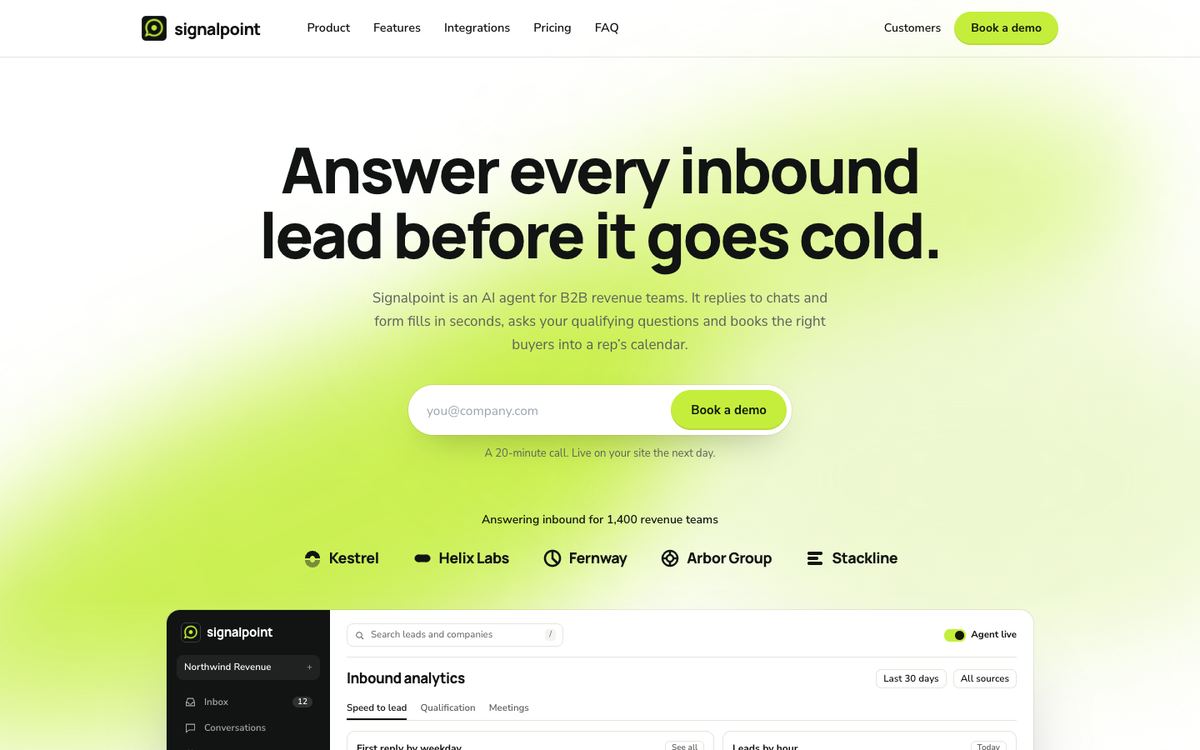
AI products. AI Product is calm and transcript-led for assistants; AI Inbound Agent is bright and revenue-focused for sales agents.
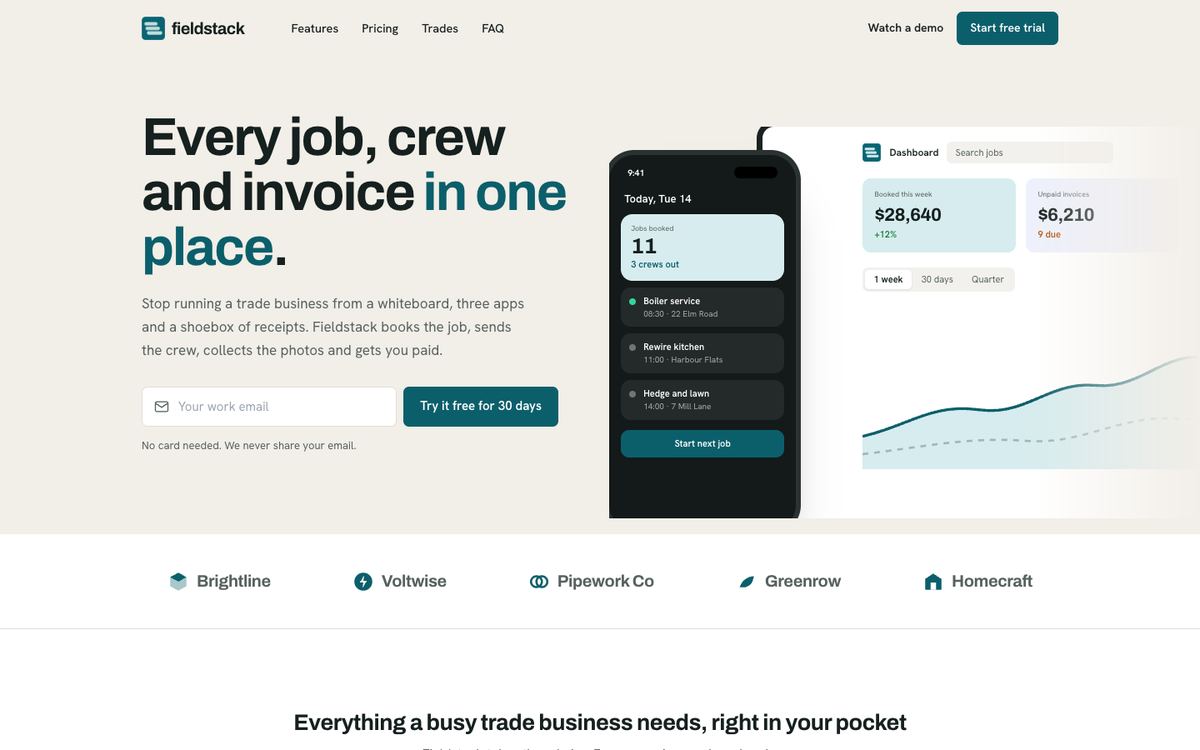
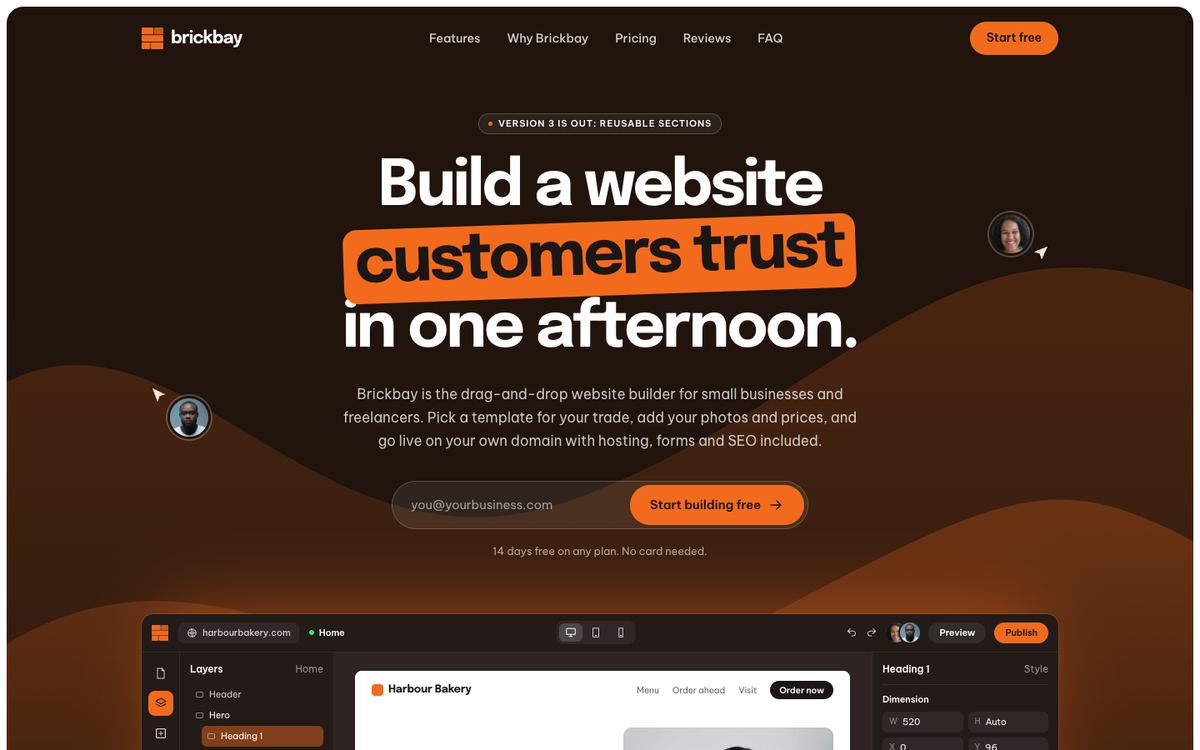
Self-serve tools on a free trial. Marketing Tool SaaS, Website Builder Studio and Trade Operations Suite are built for small teams and non-technical buyers.
Security, privacy and compliance. Compliance Trust Page draws audit evidence on the page, Data Privacy Platform is warmer and demo-led.
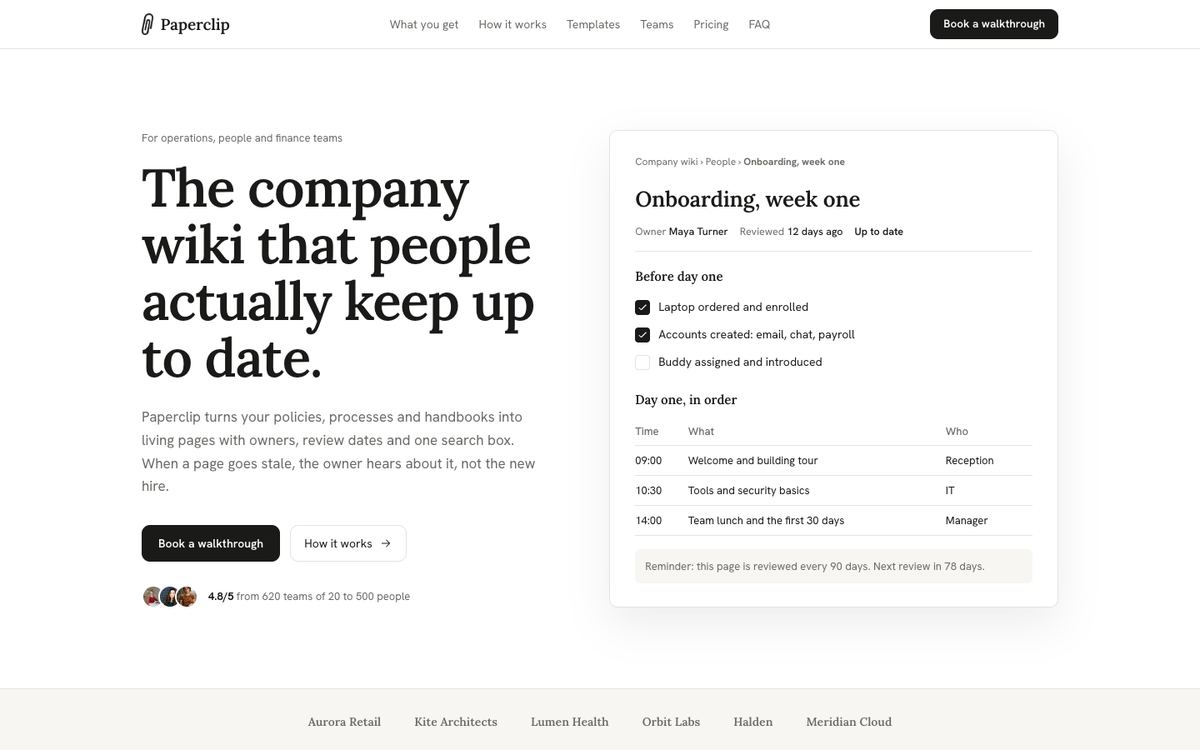
Documentation and knowledge. Workspace Document shows the product's own document as the hero.
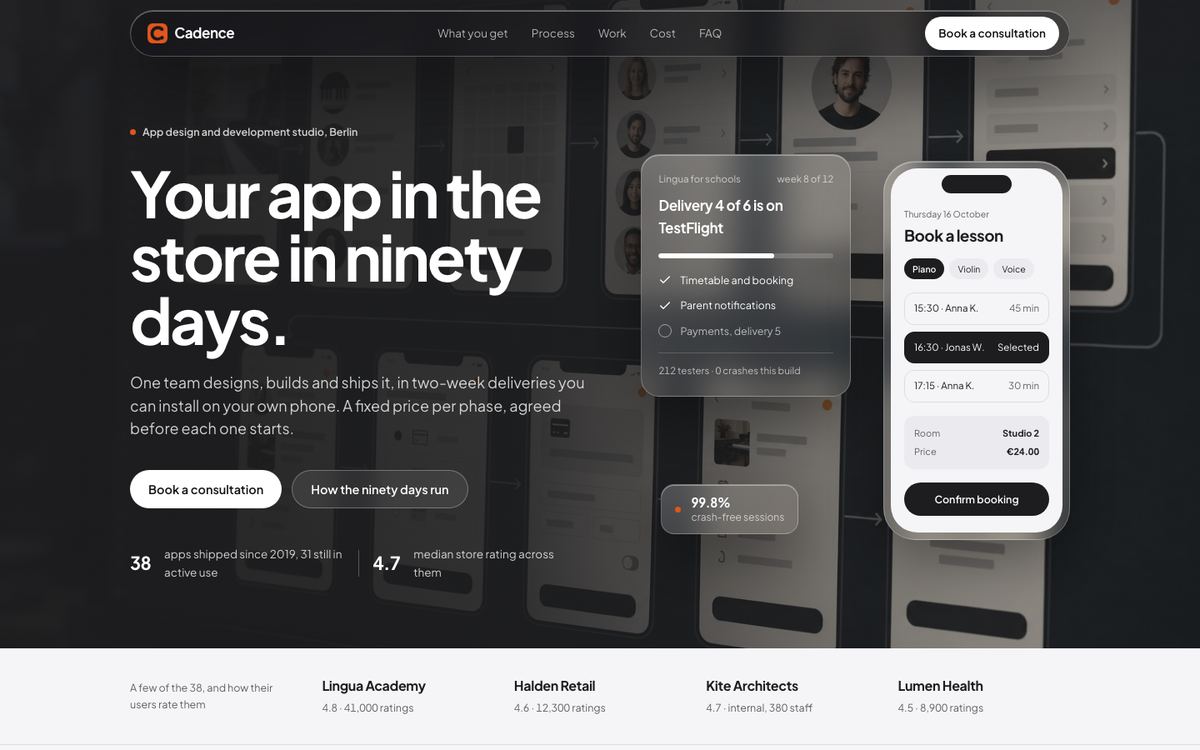
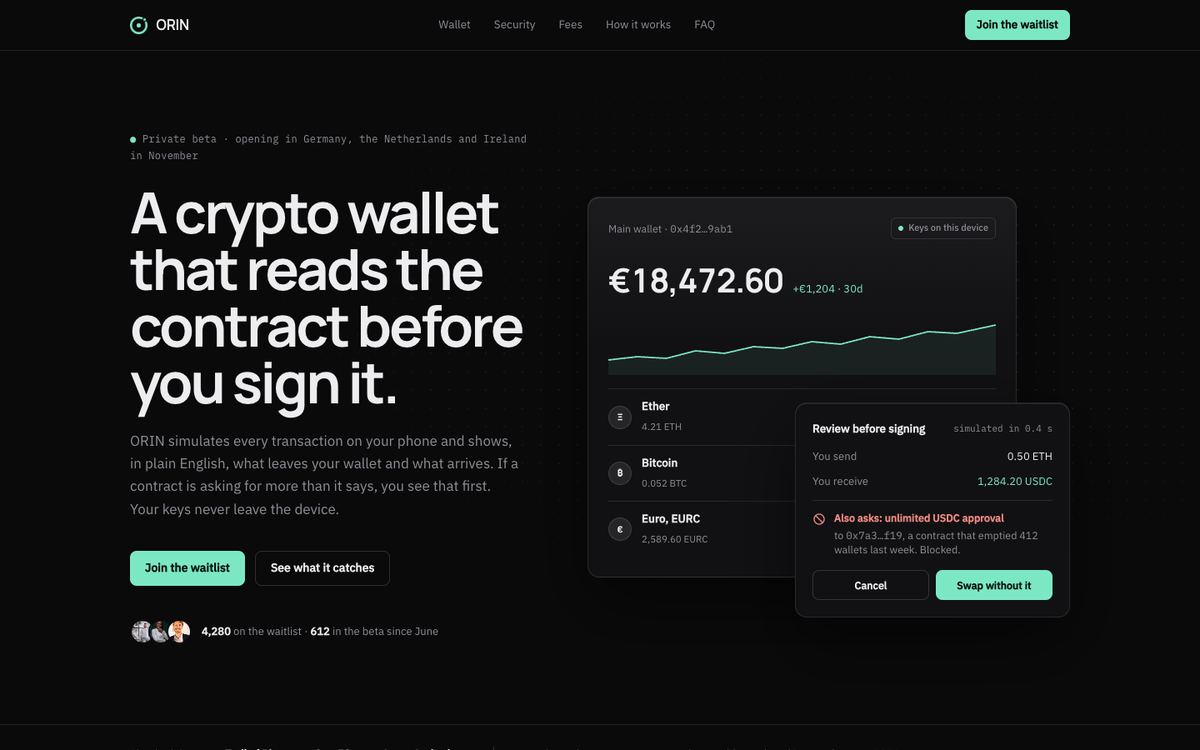
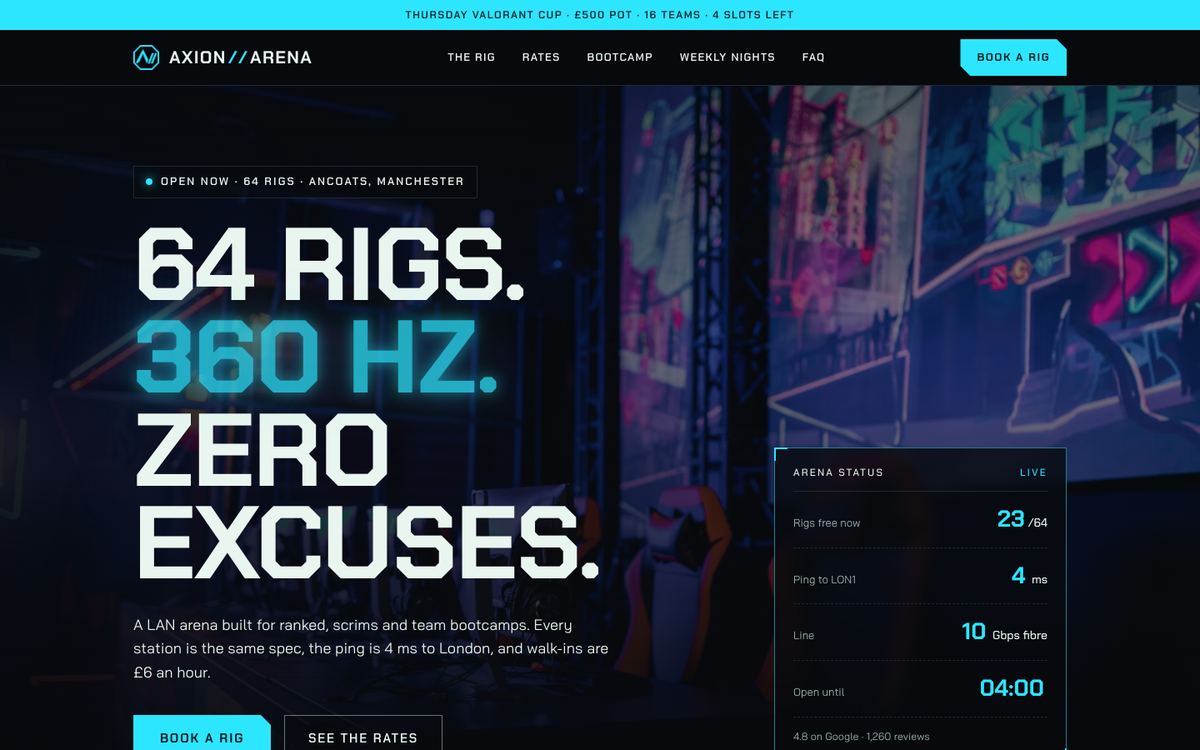
A distinct look. Frosted Glass is premium and photographic, Web3 is dark and precise for crypto, and Gaming is neon for gamers.
Common mistakes on software pages
Too many calls to action. “Start trial”, “Book demo”, “Watch video” and “Talk to sales” on one page split attention. Pick one primary action and make everything lead to it.
Numbers without context. “94% faster” means nothing without a baseline and a date. Every template's numbers band leaves room for the detail that makes a figure believable.
Hiding the price. Buyers who cannot find a price assume it is high. If you must quote, explain what drives the number.
Screenshots that go stale. Drawn product panels are easy to update; if you use screenshots, keep them in step with the product.
Writing the headline and the first screen
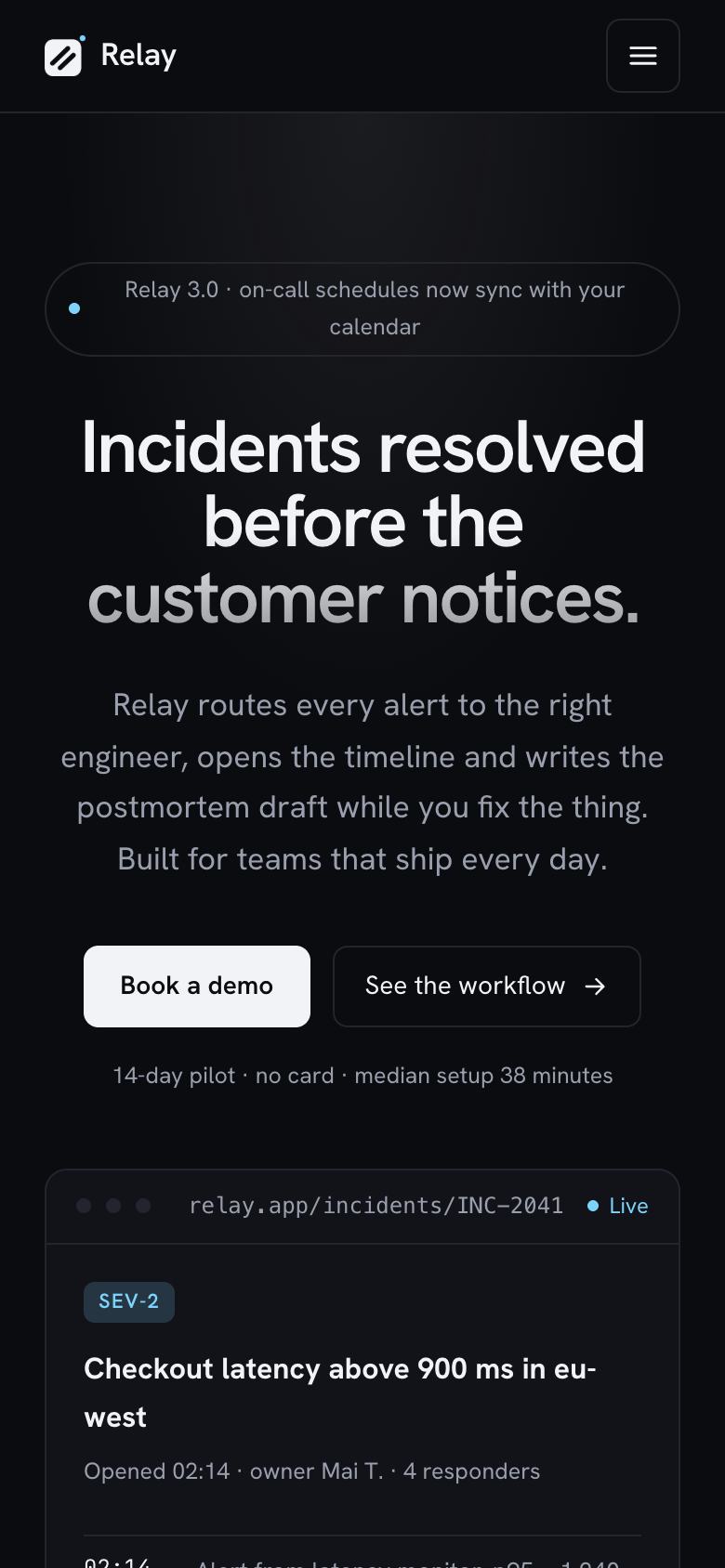
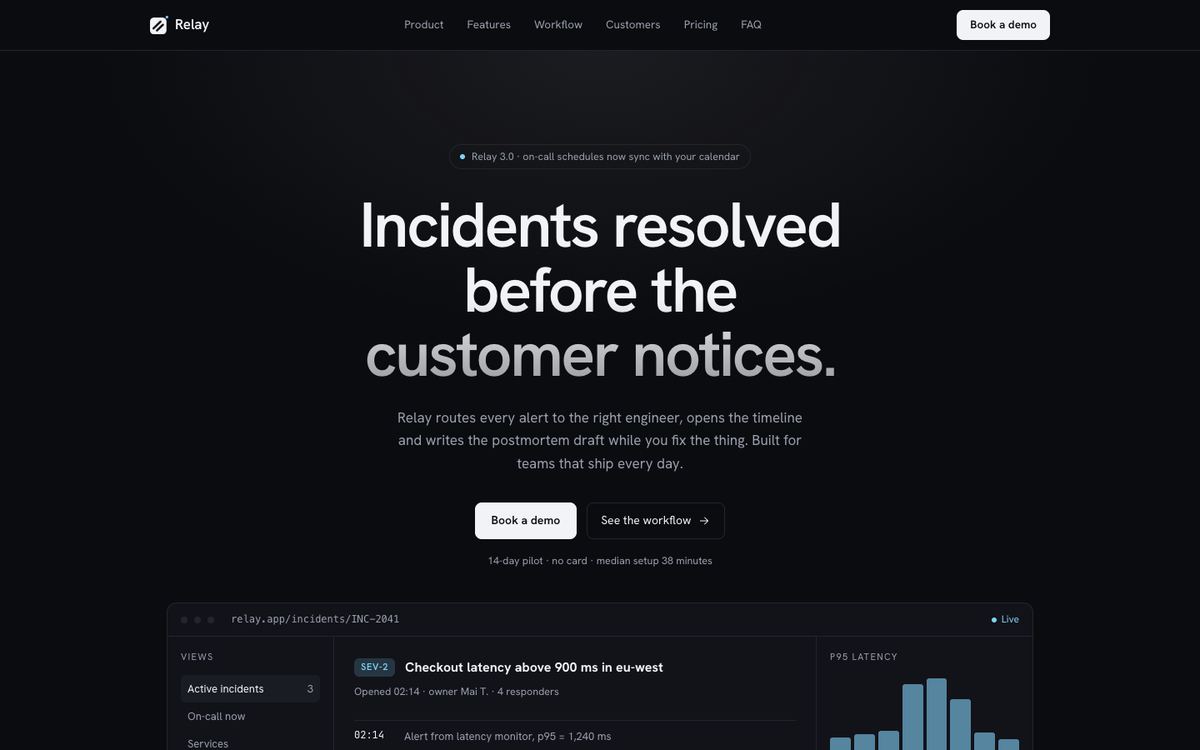
The first screen of a software page has to say what the product does, for whom, and why it is different, in about fifteen words. The sample headlines in this collection follow a pattern worth copying: a concrete outcome with a time or a number, such as “Incidents resolved before the customer notices” or “Every project’s money, on one screen”. Test a headline by asking whether a competitor could use it unchanged. If they could, it is too general.
The subheading should name the category and the buyer, so a visitor knows within seconds whether they are in the right place. Keep the primary button consistent with the rest of the page, whether that is a trial, a demo or an install, and put a short line of reassurance under it, such as whether a card is needed or how long setup takes.
What the trial or demo form should ask
For a self-serve trial, a work email is often enough; every extra field reduces sign-ups. For a demo, ask for the details a salesperson needs to prepare, such as company size, the tools the team uses today and the main problem, and say what the call will cover and how long it takes. If you qualify leads before offering a demo, explain what happens to smaller teams, such as a recorded walkthrough, rather than leaving them without a reply.
Measuring what the page is doing
Software companies usually run several campaigns at once, and a landing page is easiest to improve when every lead carries its source. Give each campaign, partner and newsletter its own link, connect the ad platforms you use, and compare not just sign-ups but the share that become active users or qualified opportunities. A page that brings fewer, better leads is often worth more than one that fills the CRM with trials nobody uses.
Keeping product pages in step with the product
Software changes every week, and landing pages fall behind. Review each page when you ship a significant feature, change pricing or add integrations, and at least once a quarter. Check that drawn product panels or screenshots match the current interface, that customer quotes still come from active customers, and that figures in the numbers band are dated and current. Remove features that no longer exist, even minor ones, because trial users notice and lose trust.
Consider a page per audience or use case, such as one for finance teams and one for agencies, built from the same template. Each can use examples and quotes from that audience, and campaign results show which segments convert.
From template to live page
Pick a template and it opens in the editor with its layout, photos and sample text. You can edit by hand, ask the AI to change only what you select for about one credit an edit, or tick “Write the text for my business” and let the AI replace the sample copy for about 20 credits while keeping the design. Every page has one lead form or buy action, and leads arrive in your inbox with their source and campaign attached.