What a creative business landing page has to do
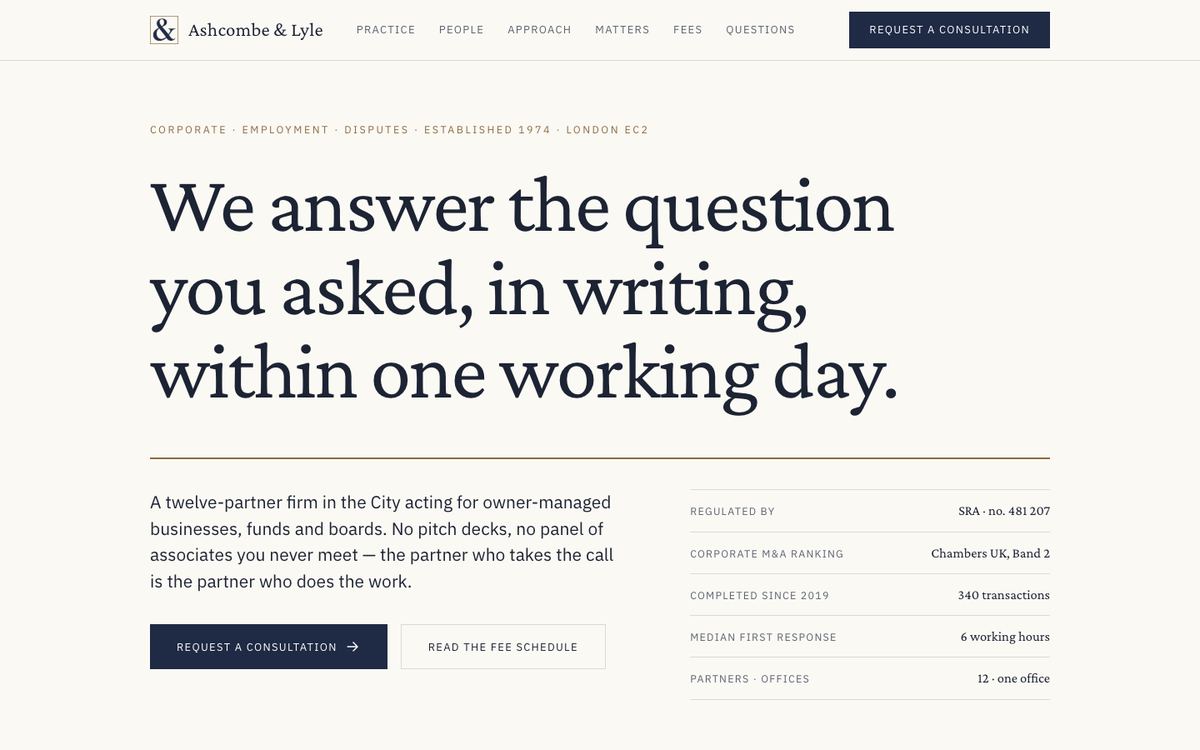
Clients hiring creatives are buying taste and reliability. They want to see work they like, understand how a project runs, know roughly what it costs and meet the people involved. The strongest pages show fewer projects with clearer outcomes and make the first step feel easy.
The sections that win projects
A positioning line. What you do and for whom, without buzzwords.
Work with outcomes. A project index, case studies with one number, or real weddings described in detail.
Process. Stages, timelines and what the client signs off.
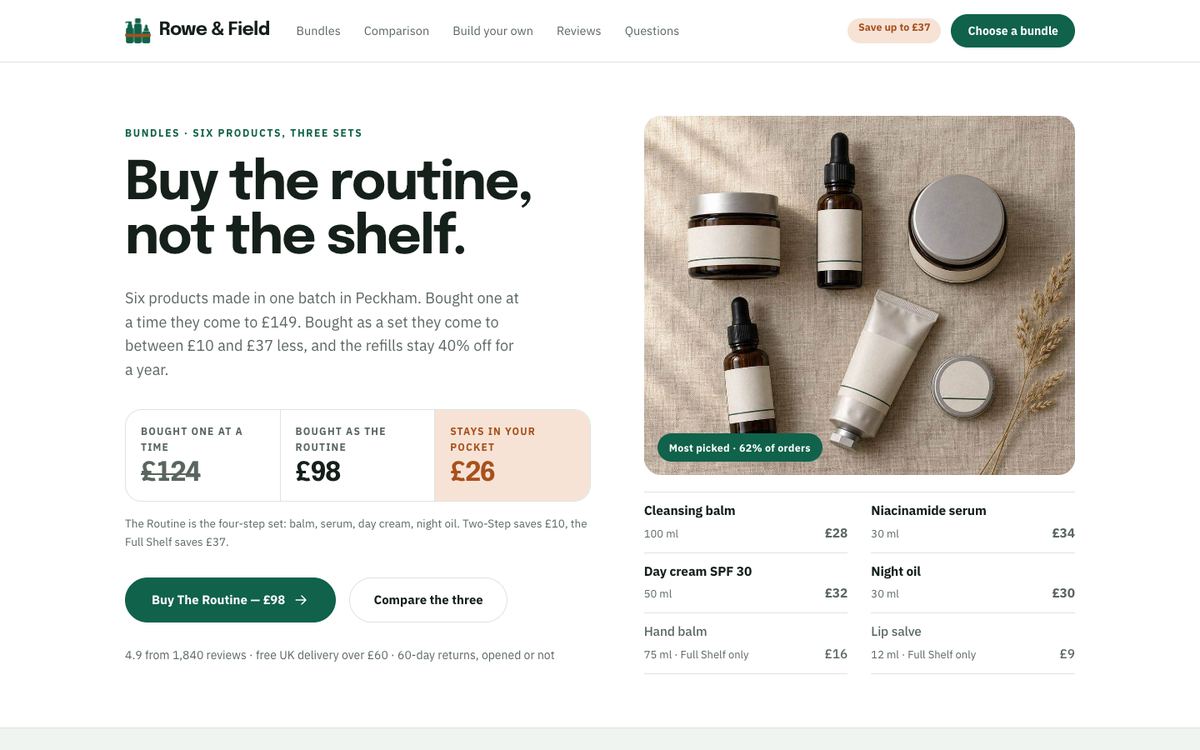
Prices. Packages, retainers or starting figures.
People. The team or the founder, with faces.
A first step. A call, a free audit or a date check.
Choosing a template
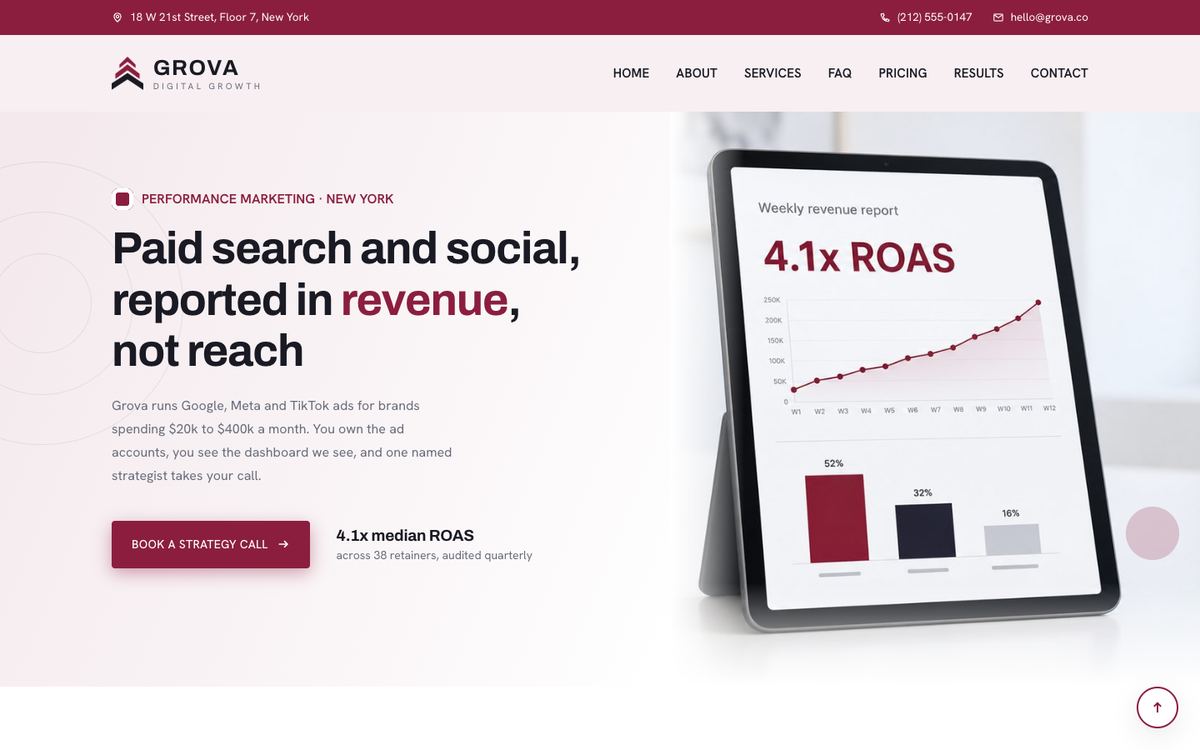
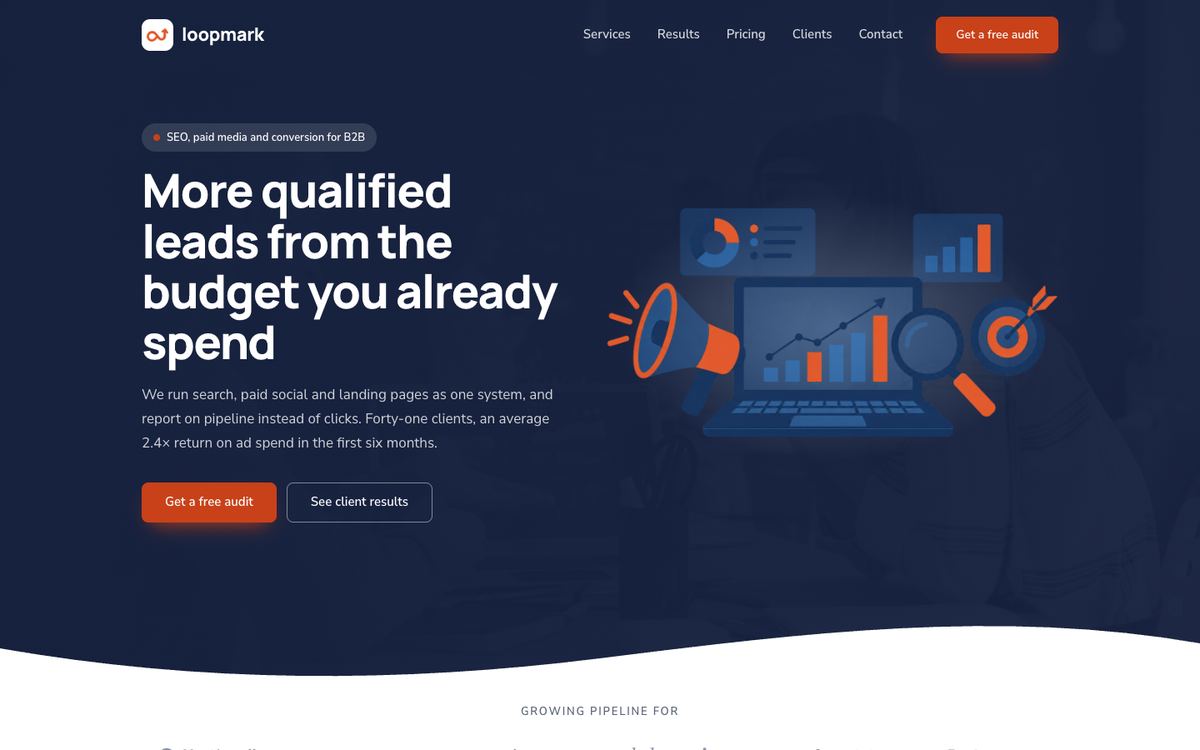
Marketing agencies. Bold Agency and Growth Agency.
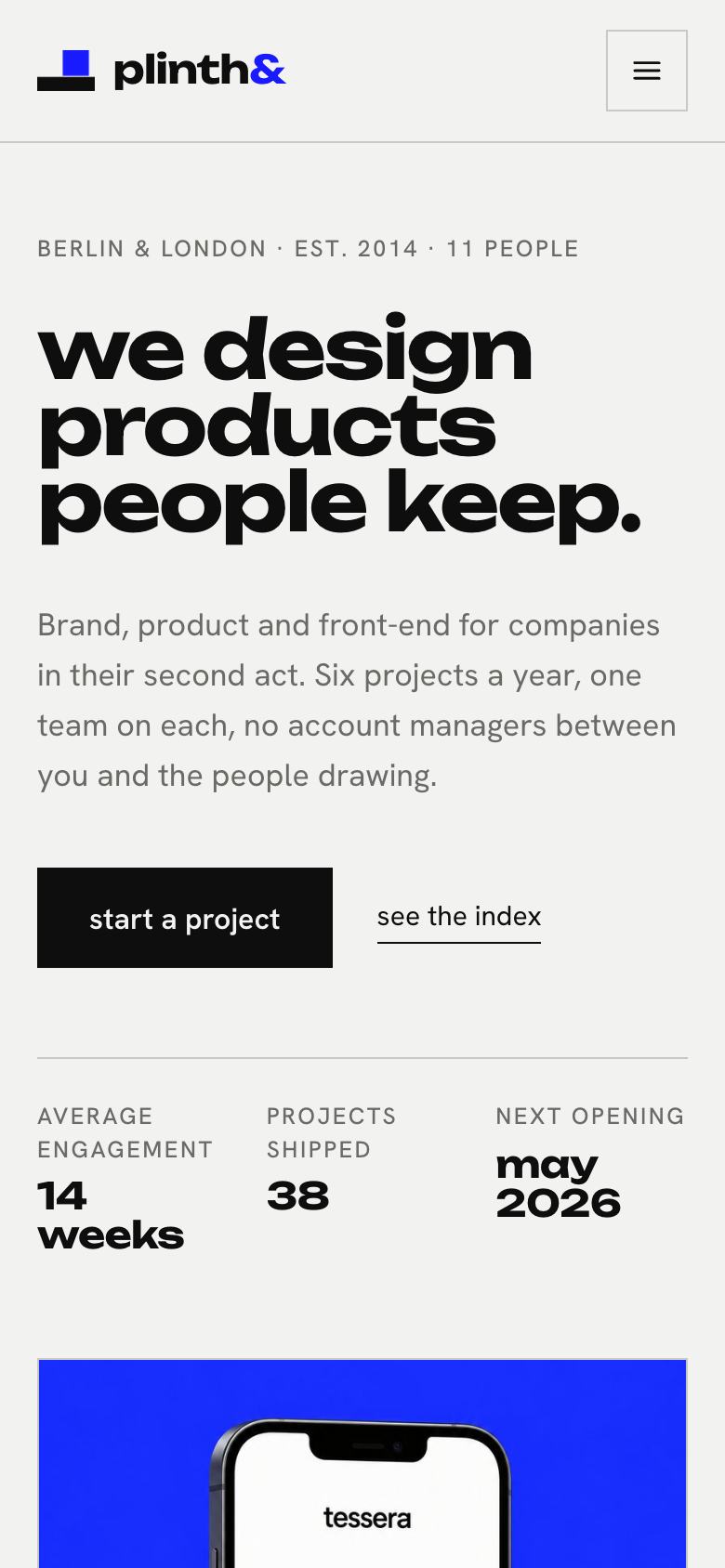
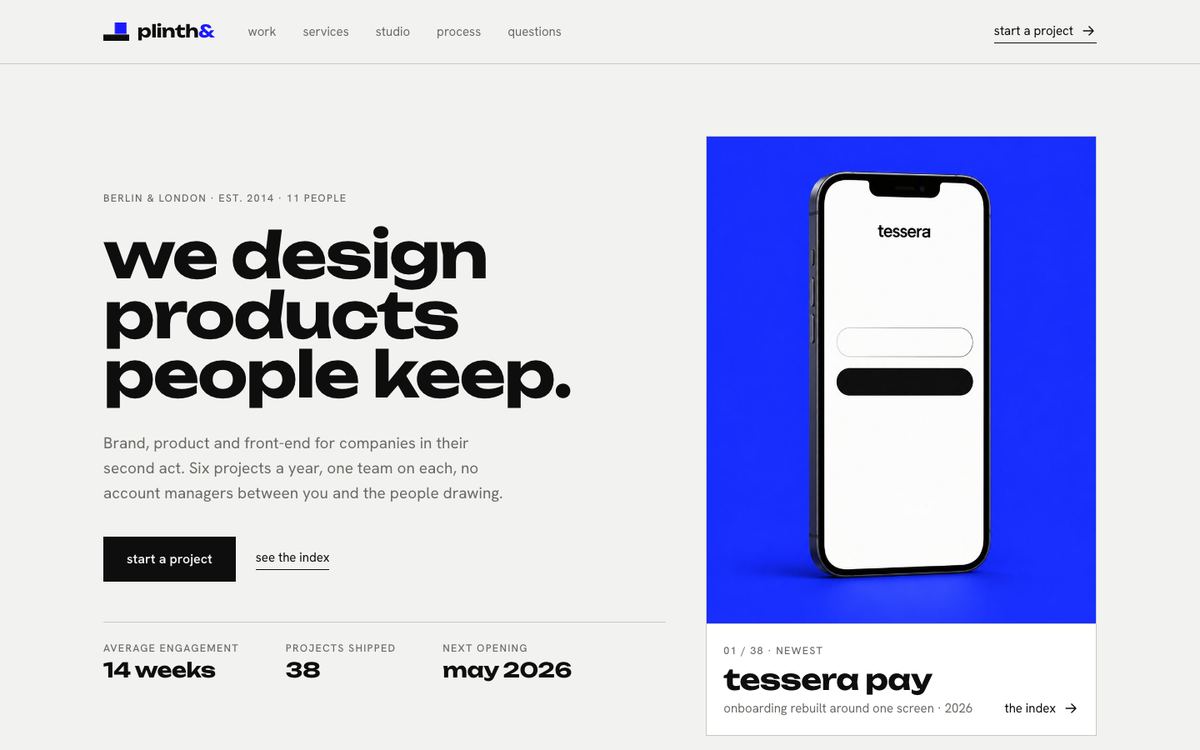
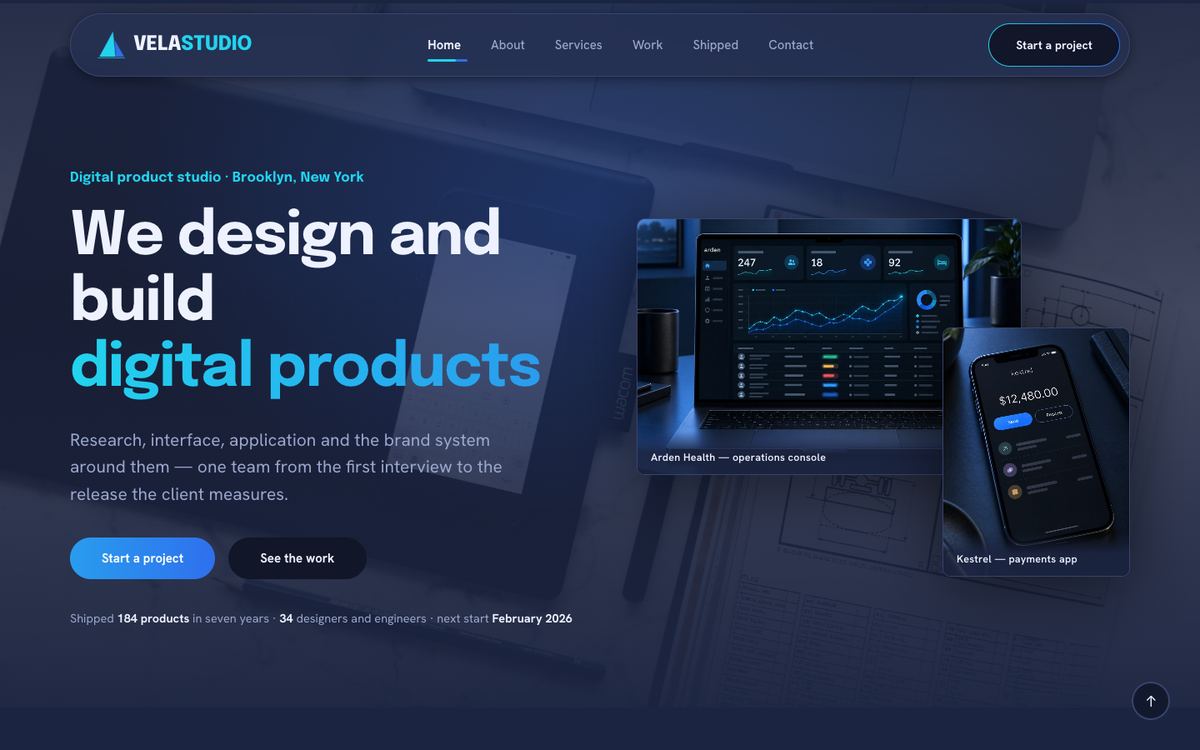
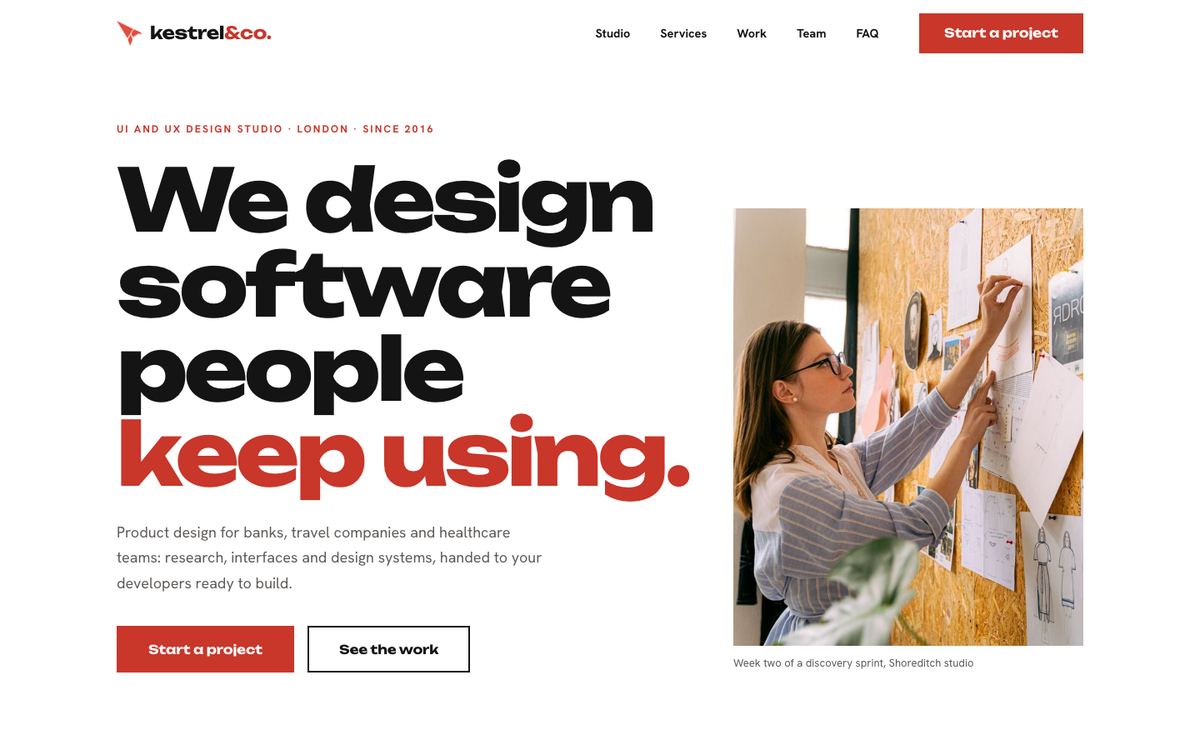
Design and product studios. Studio Index, Product Design Studio and Digital Studio.
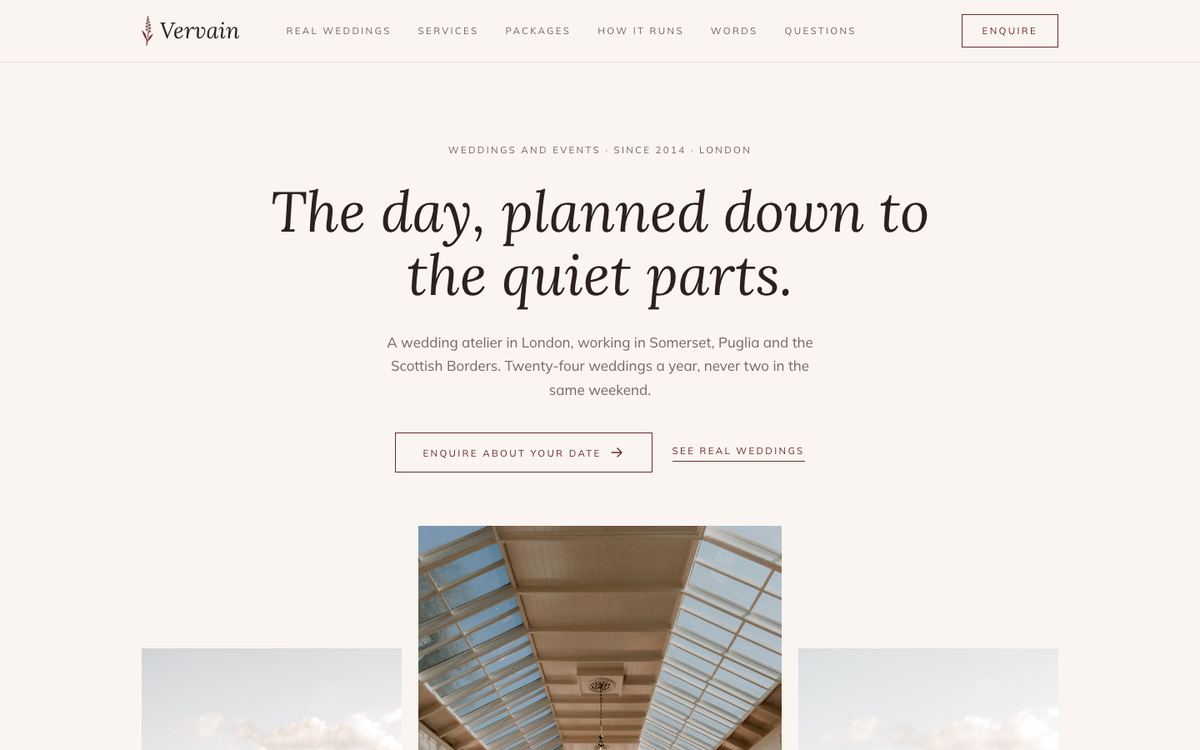
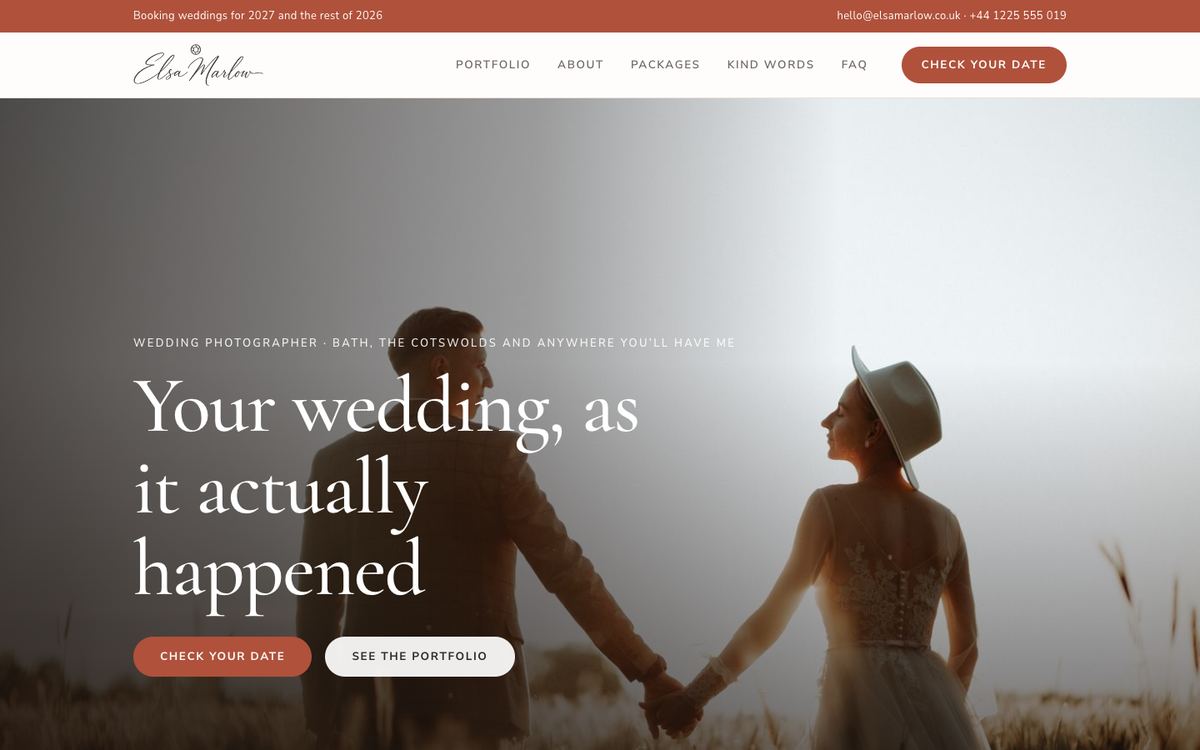
Weddings and photography. Wedding Atelier for planners and venues; Wedding Photographer for photographers.
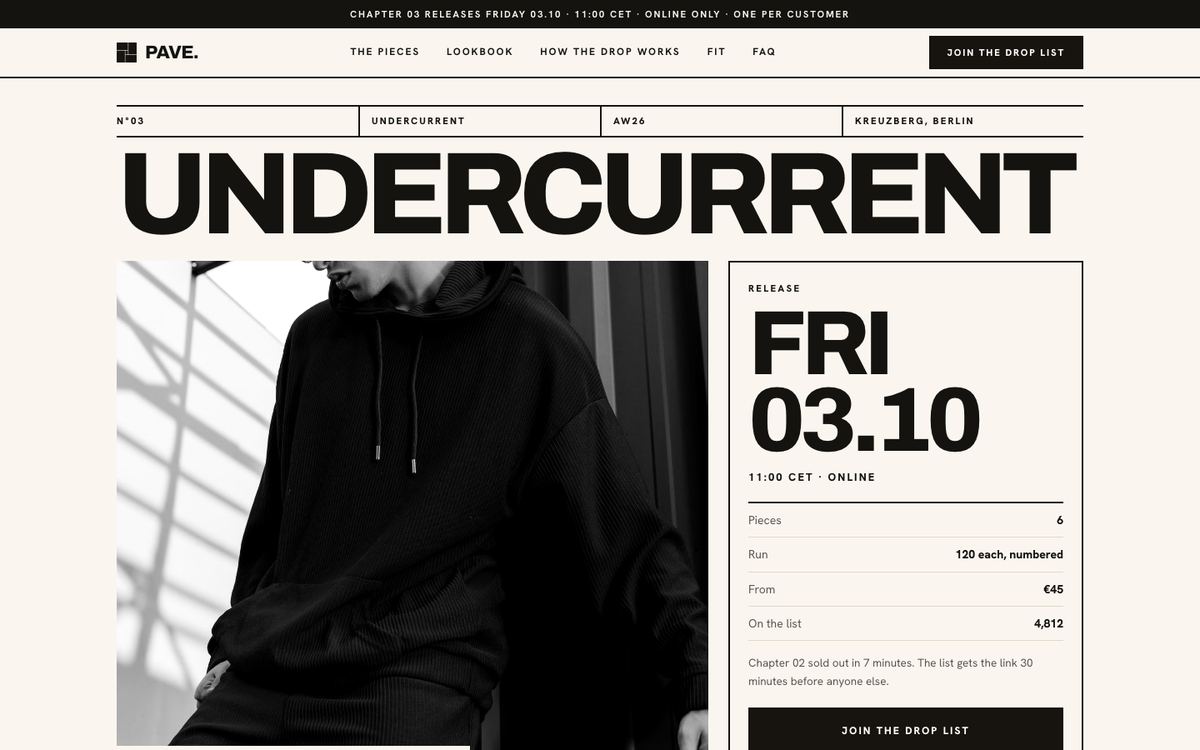
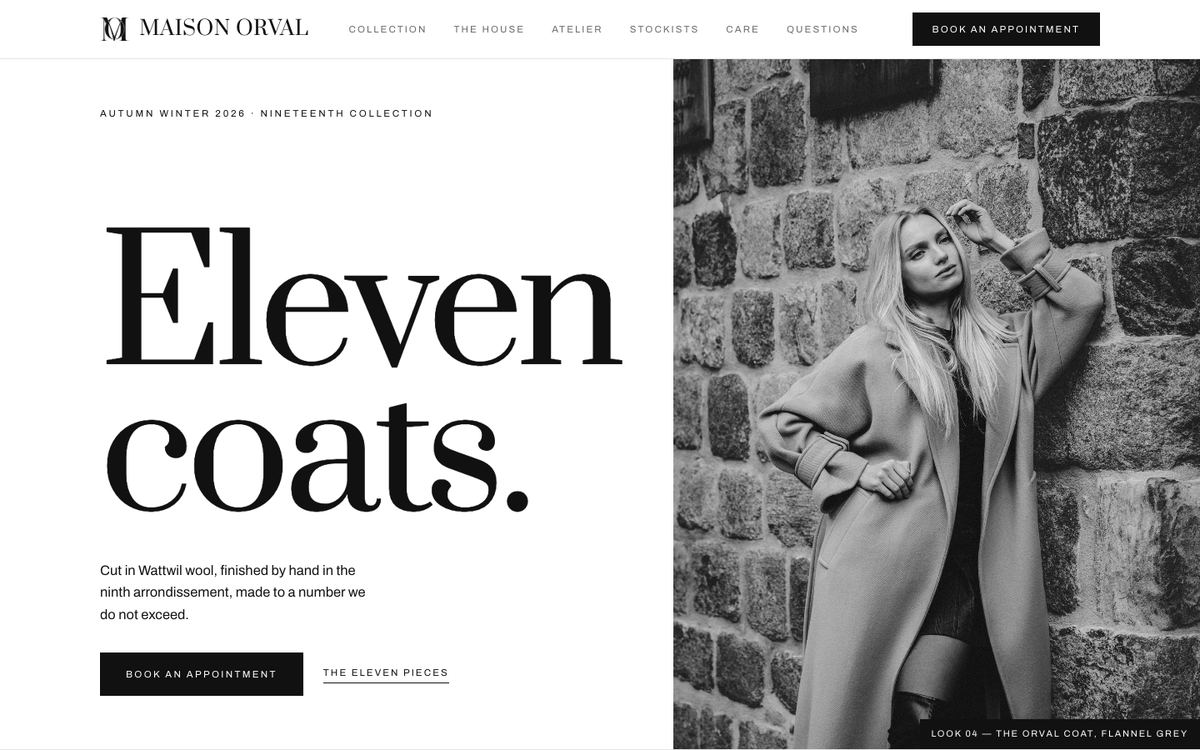
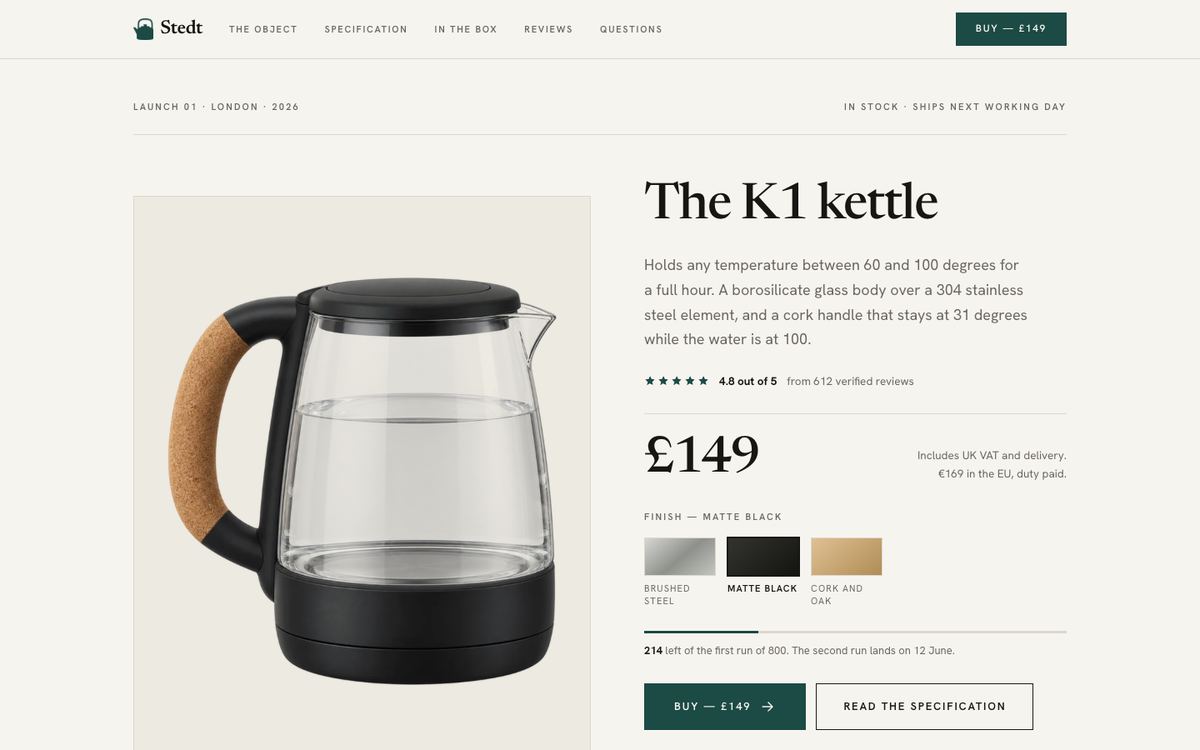
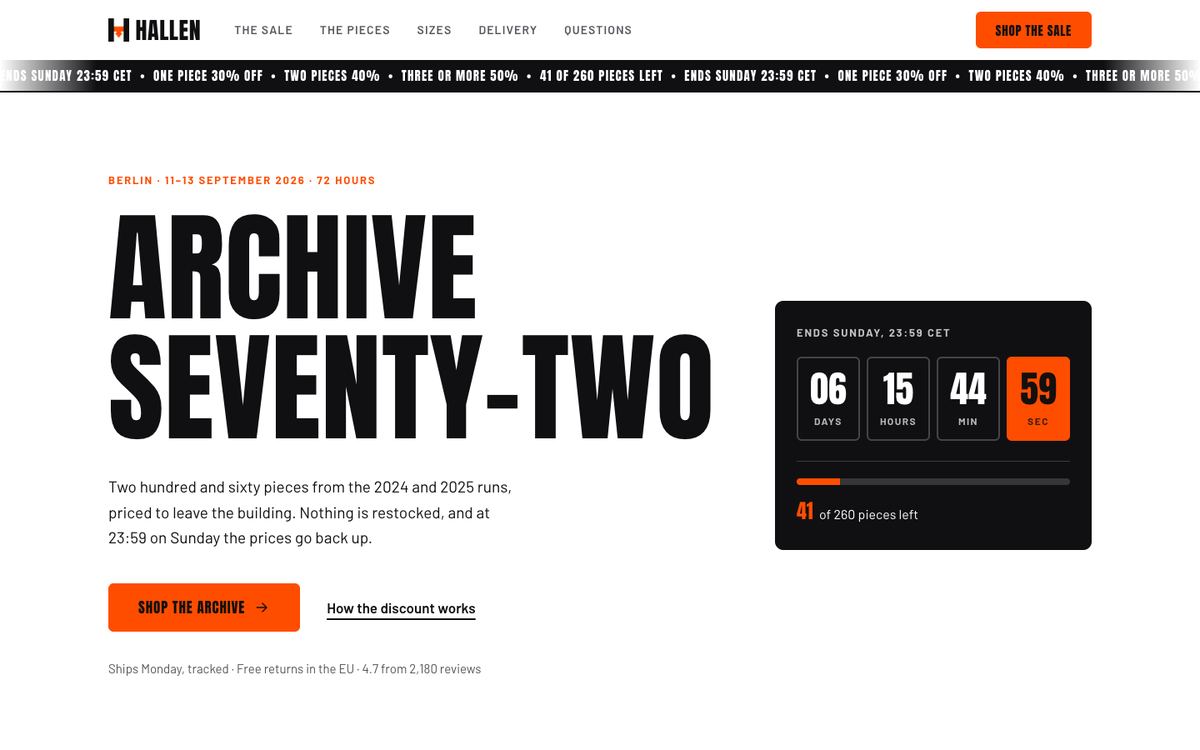
Fashion and editions. Maison Monochrome for ateliers; Drop Launch for streetwear drops.
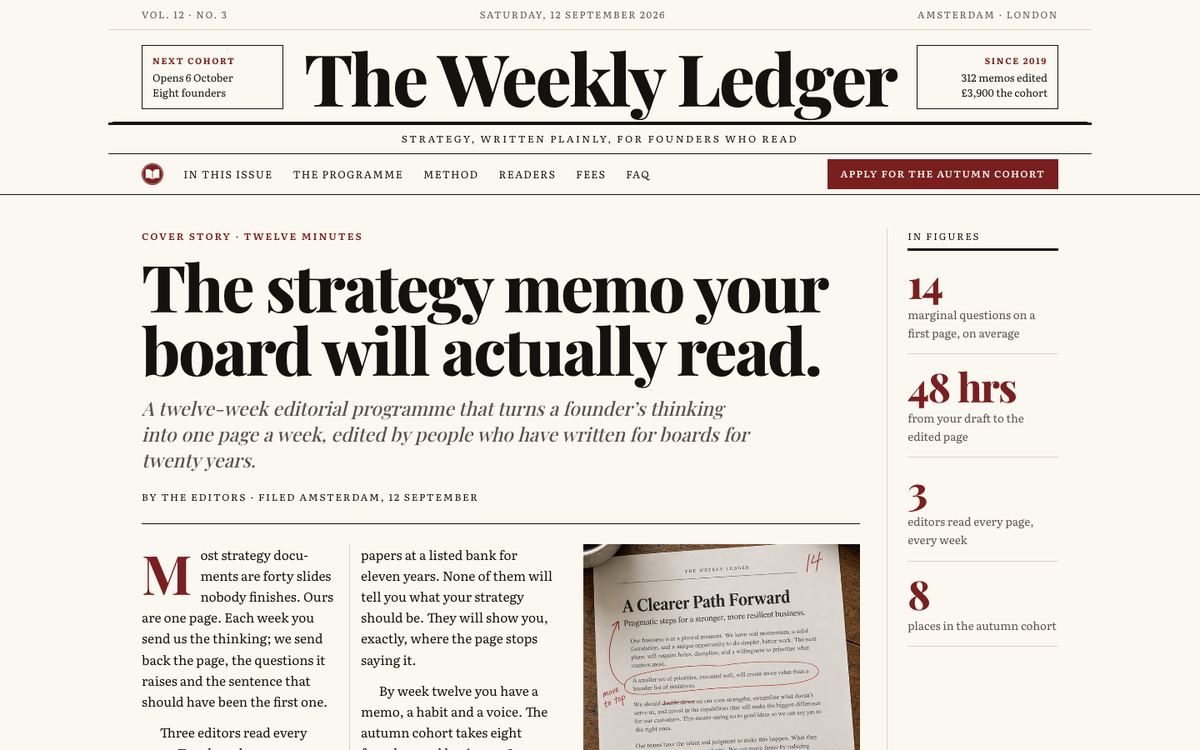
Words. Broadsheet Editorial for publishers, newsletters and programmes.
Common mistakes
Too much work, too little context. A wall of images without outcomes says little.
No indication of price. Prospects who cannot place you on price often do not ask.
Anonymous teams. Creative services are personal; show who does the work.
How the ten creative templates differ
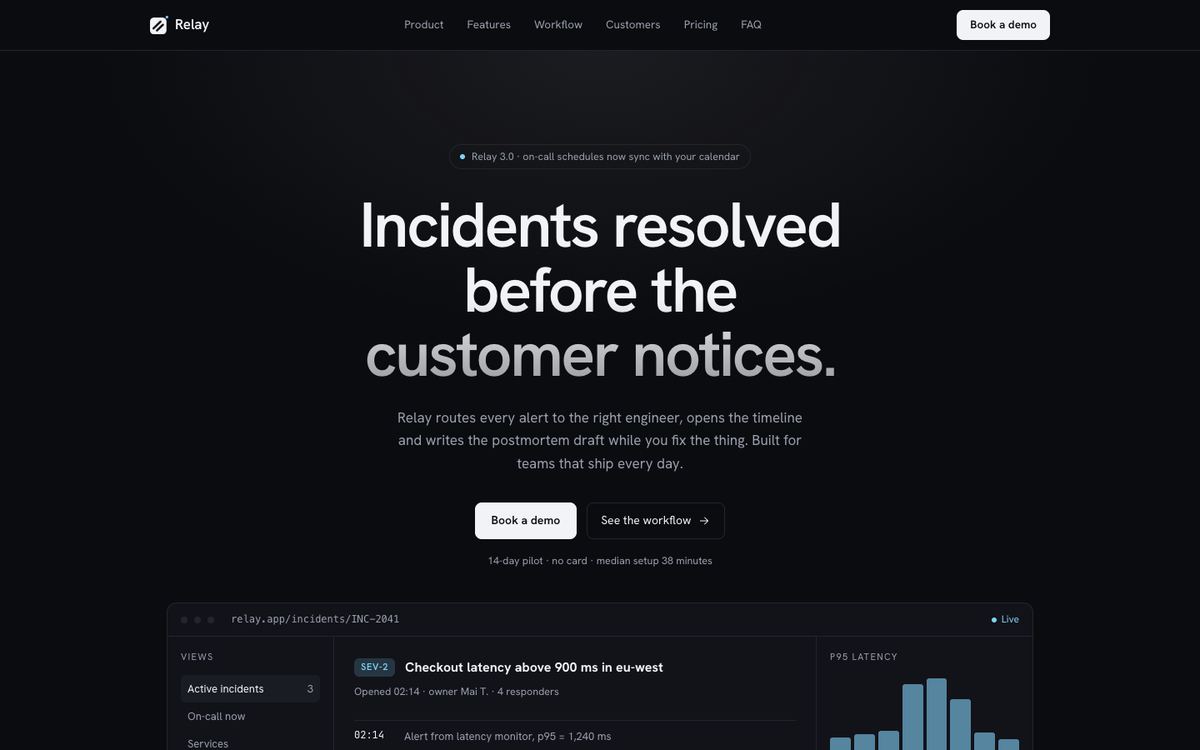
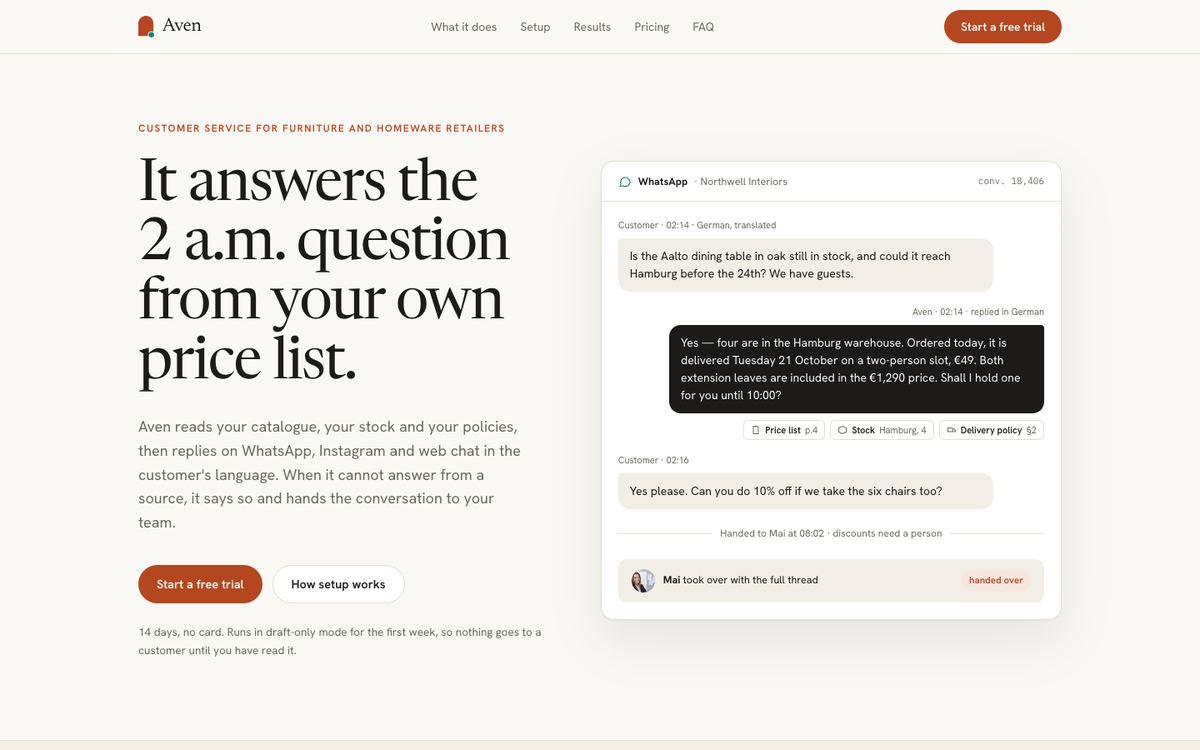
This collection covers very different creative businesses, and the right template depends on what the client is buying. Agencies that sell measurable marketing results should look at Bold Agency, which leads with audited campaign figures and published retainers, and Growth Agency, which is built around a free audit and results tiles. Design and product studios selling projects have three options: Studio Index reads as a table of contents of the work, Product Design Studio leads with beliefs and case studies with numbers, and Digital Studio is dark and technical with fixed-price packages.
Wedding businesses have two dedicated layouts: Wedding Atelier for planners, venues and florists taking a few bookings a year, and Wedding Photographer for photographers and videographers. Fashion and product labels can use Maison Monochrome for ateliers and appointments, or Drop Launch for limited releases with a waitlist. Broadsheet Editorial suits businesses whose product is writing.
Writing about creative work
Creative businesses often describe themselves with the same words: passionate, bespoke, innovative, award-winning. Clients skim past them. Write instead about the change your work made for a client and how you work. A project line such as “onboarding rebuilt around one screen” or “a savings app people open every week” says more than a paragraph about craft.
Be clear about scope and price. Creative services vary so much that prospects cannot judge whether they can afford you without some indication, so publish starting prices, typical project ranges or packages. Describe the process in stages with what the client approves at each step, and say how many projects you take at once. If a named person leads every project, say so.
Showing work without overwhelming
A portfolio page is not an archive. Choose a small number of projects that match the work you want more of, and give each one context: the client, the problem, what you did and an outcome. For photographers and wedding planners, show complete stories from a few events rather than a highlight reel. Ask clients for permission to name them and to use their results, and credit collaborators.
What the enquiry form should ask
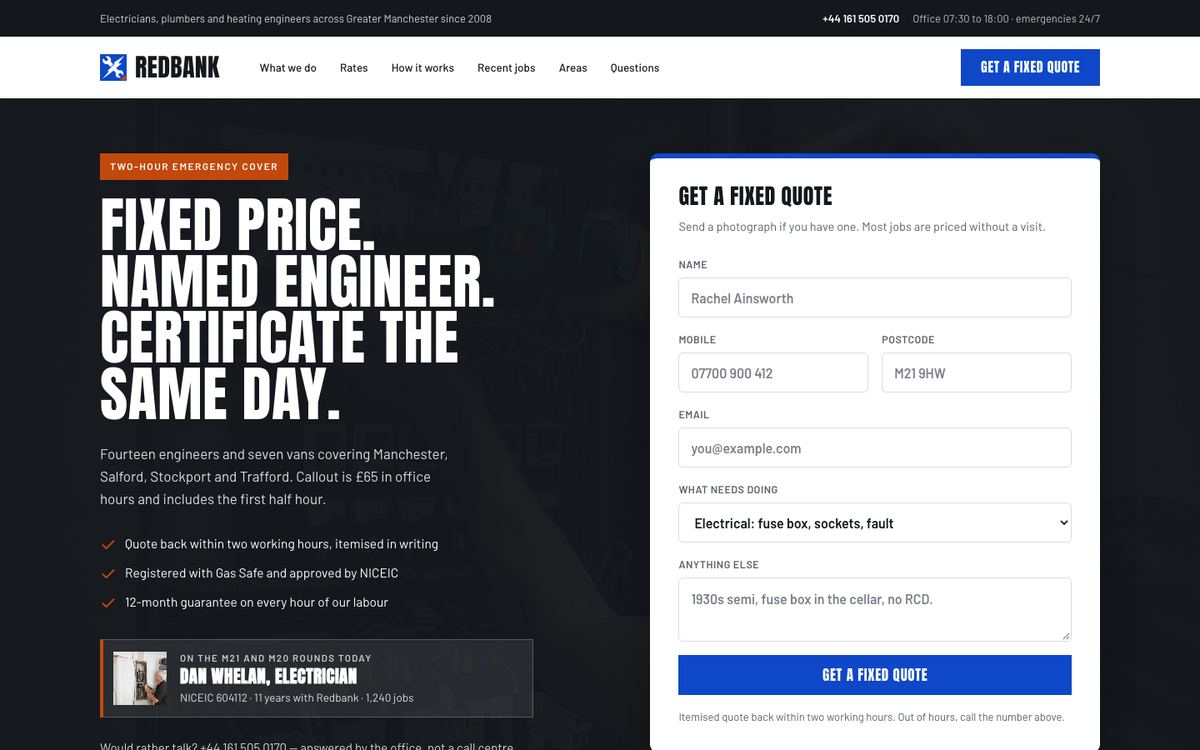
For agencies, a short form with company, website, monthly budget range and the main goal lets you qualify leads before a call. Studios can ask for a project type, timeline and budget band. Wedding businesses need the date, venue or region and guest count, since availability is the first answer. Keep the form to what you need for a useful reply, and say when you respond.
Where creative clients come from
Most creative work still comes from referrals, portfolio platforms, social media and search for specific services. Use the landing page as the destination for each: a link in your social profiles, in directory listings and in proposals. Because enquiries arrive with their source attached, you can see which channels bring clients who fit your price range, and put less time into platforms that send enquiries you turn down.
Keeping the portfolio honest over time
Creative portfolios age quickly. Work from three years ago may no longer reflect what you do, and results published for a client may have changed. Review the page every few months: replace projects that no longer represent your best or most relevant work, update figures with their dates, remove client names you no longer have permission to use, and refresh team photos when people join or leave.
Prices and packages also drift. If you raise rates, update the page before sending new proposals, so prospects who saw the page are not surprised on a call.
Pages for specific services or sectors
Agencies and studios that serve several sectors often benefit from a page per sector or per service, such as one for healthcare clients and one for fintech, each showing the most relevant work and results. Wedding businesses can create a page for each venue they work at frequently. Each page can be shared in proposals and targeted in campaigns, and enquiries arrive with their source so you can see which focus brings the best clients.
Finally, keep the enquiry flow working. Test the form every month, check that replies go out within the time the page promises, and update any availability note, such as how many projects or weddings you can still take this season. A creative business that answers promptly often wins the work before competitors have replied.
From template to live page
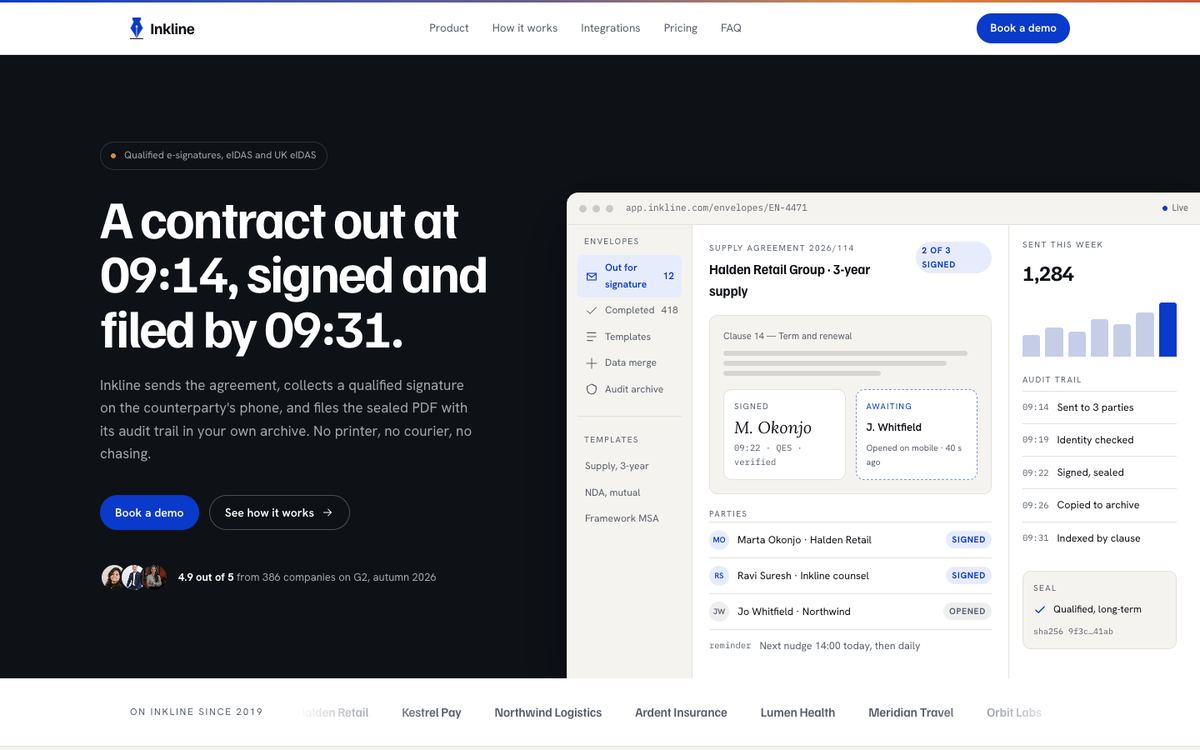
Pick a template and it opens in the editor with its layout and sample copy. Replace work and team photos, edit packages and process, or tick “Write the text for my business” for about 20 credits and the AI rewrites the copy while keeping the design. Enquiries arrive with where they came from.